Agriculture: Precision Spraying and Multispectral Scouting

Modern farming is becoming data-driven and time-critical. When fields are muddy, labor is short, disease pressure is rising, and input costs are high, drones let growers scout faster and apply more precisely.

What problems drones solve in agriculture

Farmers adopt drones for one or more of these drivers, often all at once.

Access and timing

When ground rigs cannot enter (mud, slope, sensitive soil), drones keep you on schedule.

Precision input use

Instead of blanket application, teams move toward zone-based and spot-based spraying, which reduces wasted chemical and can support sustainability targets.

Coverage quality

Downwash helps push droplets into canopy, which matters in dense crops and orchards where ground rigs can struggle.

Labor and safety

One operator can run a high-output workflow while staying out of the spray zone.

The modern drone workflow: Scout, Decide, Apply

A practical precision agriculture stack looks like this.

1

Scout

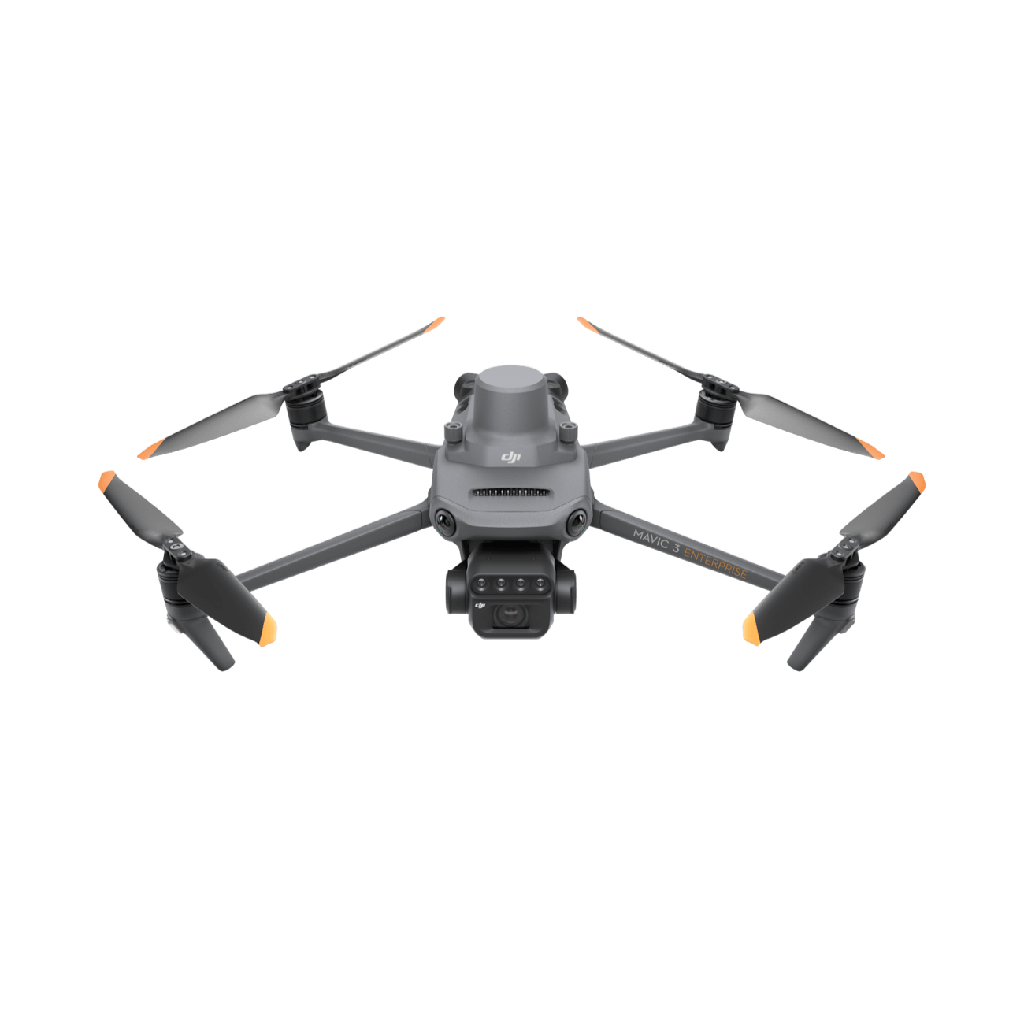
Platform: Mavic 3M

Output: Orthomosaic plus indices (NDVI, NDRE, red-edge derived layers), stand variability, weed clusters

2

Decide

Software: Field mapping and prescription workflow

Output: Geo-referenced zones, shapefiles, or prescription maps for rate changes or exclusion zones

3

Apply

Platform: Agras series

Output: Logged missions, repeatable coverage, consistent droplet size and swath overlap, optional variable-rate and section control

Model selection chart: which drone fits which farm

PlatformBest forStrengthsRecommended when
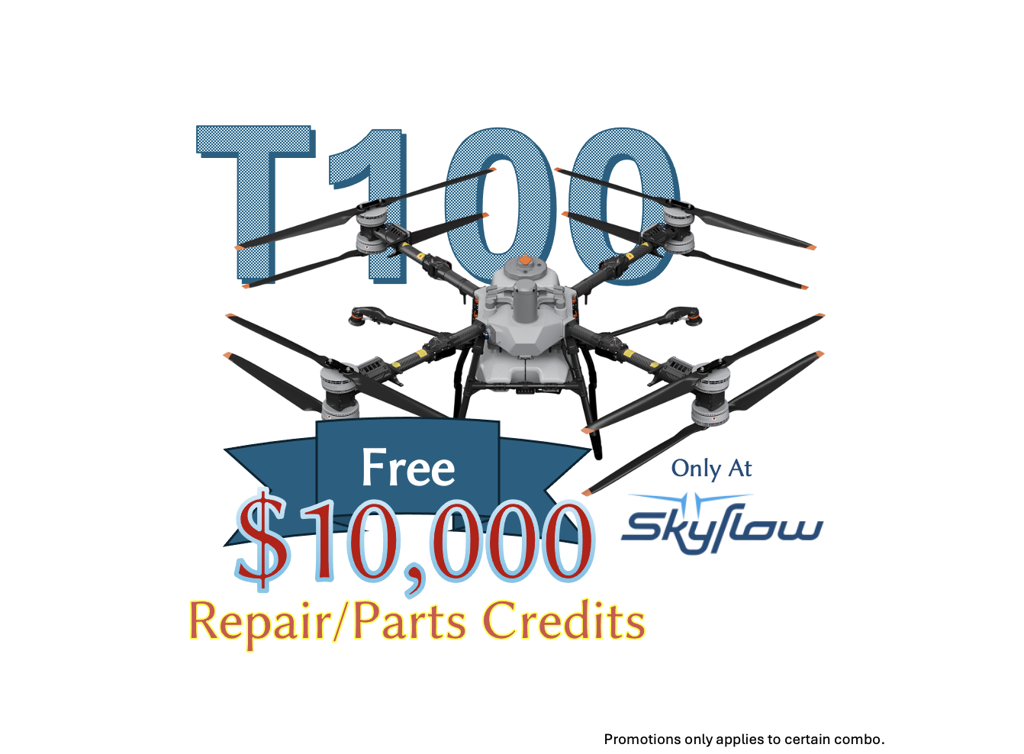
Agras T100Maximum throughput, broadacre farmsHighest liquid capacity class, built for scaleYou measure productivity in acres per hour, not acres per day
Agras T70PHigh throughput, regional contractorsStrong coverage rate with easier logistics than largest classYou want near T100 productivity with lighter deployment
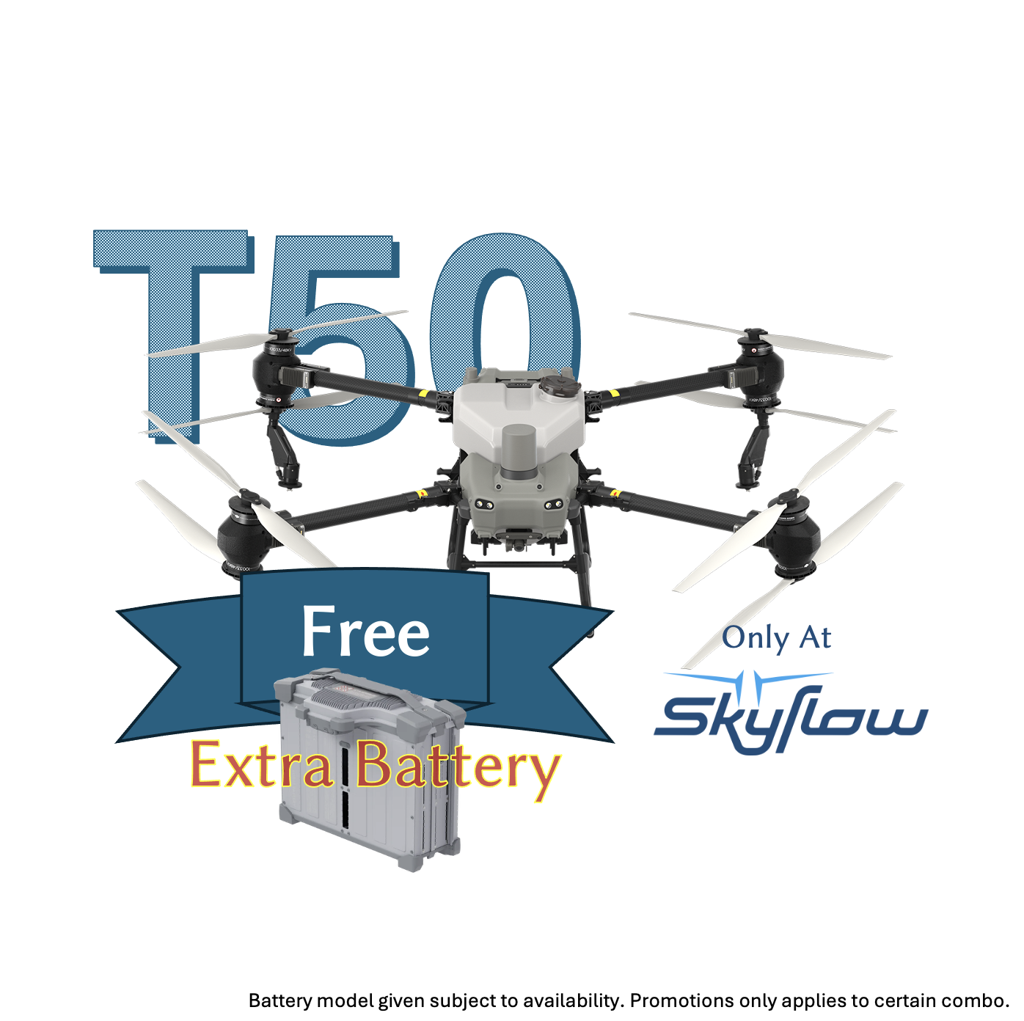
Agras T50Orchards, row crops, mixed operationsBalance of capability, canopy work, solid entry pointYou want a do-it-most platform across seasons
Agras T25 / T25PSmall farms, spot spraying, single-operator teamsPortable, fast setup, solo-friendlyYou need one-person operation and quick turnaround
Mavic 3MCrop scouting and prescription creationFast mapping, multispectral indices, RTK alignmentYou want to see variability early and spray only where needed

Real-world agriculture use cases around the globe

Use case 1: Multispectral weed mapping to spot spray (input reduction)

Duty

Identify weed pressure early, generate a prescription map, and reduce herbicide use while maintaining control.

Before drones

Operators rely on scouting by walking or driving, which misses patches and over-treats whole blocks.

Technical stack

  • Scout: Mavic 3M multispectral mapping flight
  • Process: Field analytics to classify weed pressure zones and build a prescription
  • Apply: Agras platform for spot spraying or variable rate zones

Outcome

Significant input reduction is possible when the prescription is tight and execution is repeatable. This is one of the highest ROI precision agriculture workflows because it links mapping directly to application.
Use case 2: Corn fungicide spraying when ground access is limited (fast timing)

Duty

Apply fungicide quickly across large acreage during a narrow weather window.

Before drones

Ground rigs can be delayed by wet soil, and aerial availability can be constrained.

Technical stack

  • Plan: Field boundary plus obstacle awareness, consistent altitude above canopy
  • Apply: Agras mission planning, repeatable flight lines, droplet and flow control

Outcome

Teams gain timing control, especially when the field is not trafficable. This is where drone spraying often beats a tractor in operational reality.

Use case 3: Cotton variable spraying guided by multispectral scouting (zone-based application)

Duty

Use crop vigor maps to avoid over-application, then apply only where the crop needs it.

Before drones

Uniform rates across variable fields waste input and can create uneven results.

Technical stack

  • Scout: Multispectral mapping, repeatable flights for time-series comparison
  • Decide: Convert index maps to zones, assign treatment rules
  • Apply: Agras application with tight coverage and repeatable routes

Outcome

Zone-based decisions reduce wasted input and make follow-up actions more targeted.

Use case 4: Agave and specialty crops (terrain, spacing, and precision)

Duty

Treat high-value crops where terrain, plant spacing, and access make ground application inefficient.

Before drones

Hand spraying is labor heavy and inconsistent, ground rigs have access limitations.

Technical stack

  • Plan: Terrain-following, obstacle-aware routes, row spacing matched to flight lines
  • Apply: Focus on canopy penetration and drift control

Outcome

Better consistency, safer operator posture, and improved ability to respond quickly to outbreaks.

Use case 5: Rice paddy operations (labor shortage, waterlogged fields)

Duty

Spray and spread in waterlogged fields where machinery struggles, keep timing during peak pressure periods.

Before drones

Wet paddies limit tractor operations, labor constraints make manual spraying difficult.

Technical stack

  • Apply: Agras mission planning optimized for paddies, consistent low-altitude routes

Outcome

Drones replace heavy manual work and help maintain on-time treatment in difficult access conditions.

Choosing between models: practical rules

If you want the simplest selection logic:

  • • Choose T25P when you must be a one-person crew, you need portability, and your daily area is moderate.
  • • Choose T50 when you want the "most common" serious spray and spread capability across crop types, including orchards.
  • • Choose T70P when your priority is acreage per day and you want a high-throughput system without going to the largest class.
  • • Choose T100 when you are scaling a contractor operation or very large farm, and throughput is the main KPI.
  • • Add Mavic 3M when you want precision agriculture, you plan to spray only where needed, and you want evidence-based decisions.

Where DJI fits versus other ag drone brands

Many farms compare DJI Agras against other brands (often regional offerings). In practice, DJI is typically selected when reliability, autonomy, obstacle sensing, and ecosystem maturity matter most. Alternative brands can be appropriate when local service networks dominate the decision, or when a farm has an existing standardized fleet.

If you are comparing, prioritize support, parts availability, training, warranty terms, and payload logistics over headline specs.

Frequently Asked Questions

How do you use drones for crop spraying?

A typical workflow is: define the field boundary, plan flight lines, select droplet and rate settings, validate calibration, then run repeatable missions with logged coverage.

What is the best spray drone in Canada?

It depends on farm size and crew model. Solo operators often start at the portable class (T25P), while larger farms and contractors prioritize daily throughput and logistics (T50, T70P, T100).

Can drones do seeding and spreading?

Yes, many agronomy teams run one platform across seasons by swapping from liquid to spreading payloads, depending on the drone and kit.

Do I need multispectral?

If you want to move from blanket spraying to precision agriculture, multispectral scouting is often the fastest way to identify where to treat and where to skip.

What are the benefits of drones in agriculture?

Drones provide faster field access, precision input application, improved coverage quality, reduced labor requirements, and the ability to operate when ground conditions prevent traditional equipment from entering fields.

What is UAV crop spraying?

UAV (Unmanned Aerial Vehicle) crop spraying refers to using autonomous or semi-autonomous drones to apply pesticides, herbicides, fungicides, or fertilizers to crops. The technology enables precise, targeted application with better timing and reduced operator exposure.

Ready to modernize your farm operations?

Talk to our agriculture specialists to find the right platform for your operation, get a custom quote, or book training for your team.

Videos and Resources

Location
Richmond Hill, Ontario, Canada