Mountain rescue logistics in the Mont-Blanc massif
In the Mont-Blanc massif, rescuers from the Chamonix–Mont-Blanc PGHM operate in conditions where the "normal" plan can fail quickly. Visibility changes within minutes, terrain punishes speed, and carrying the wrong load means losing time and energy when it matters most. DJI documented how the unit adopted DJI FlyCart 30 as a logistical tool that supports the rescue chain without replacing rescuers.
Recommended hardware for this mission
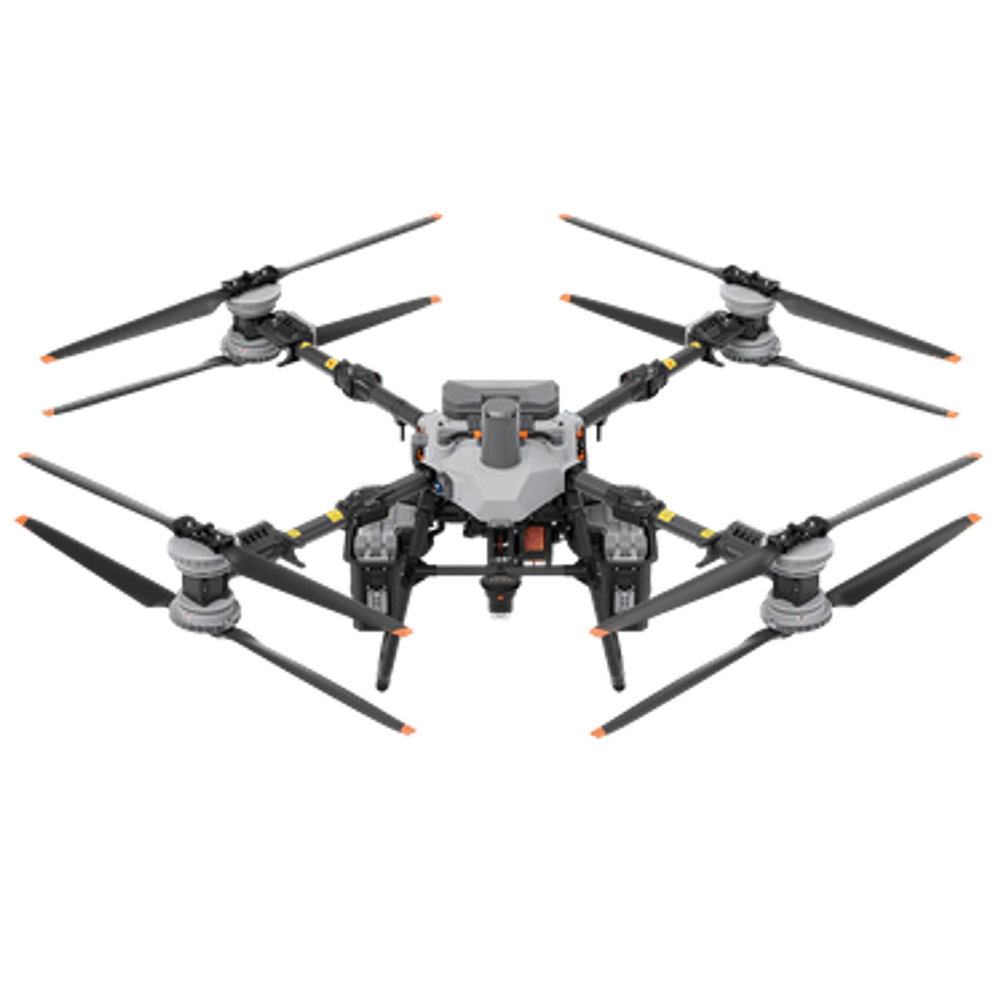
DJI FlyCart 100 (FC100) Heavy-Lift Delivery Drone
Scale-up platform for heavier loads, longer routes, or stricter risk mitigation in mountain rescue and remote logistics.
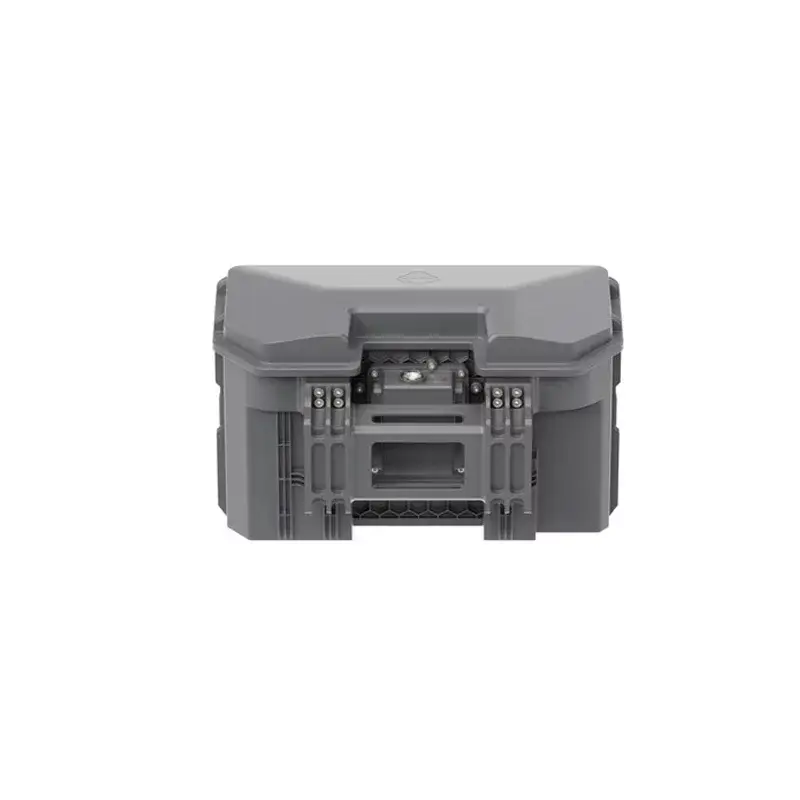
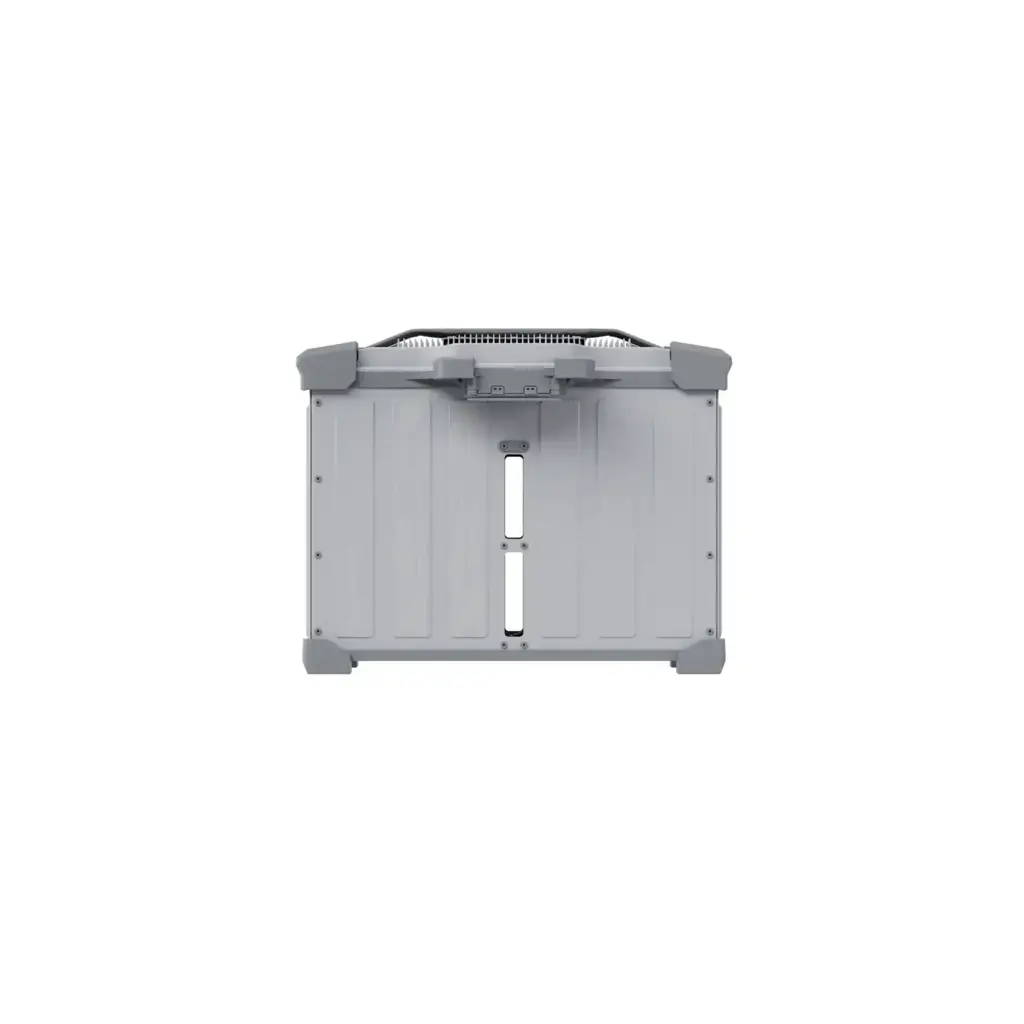
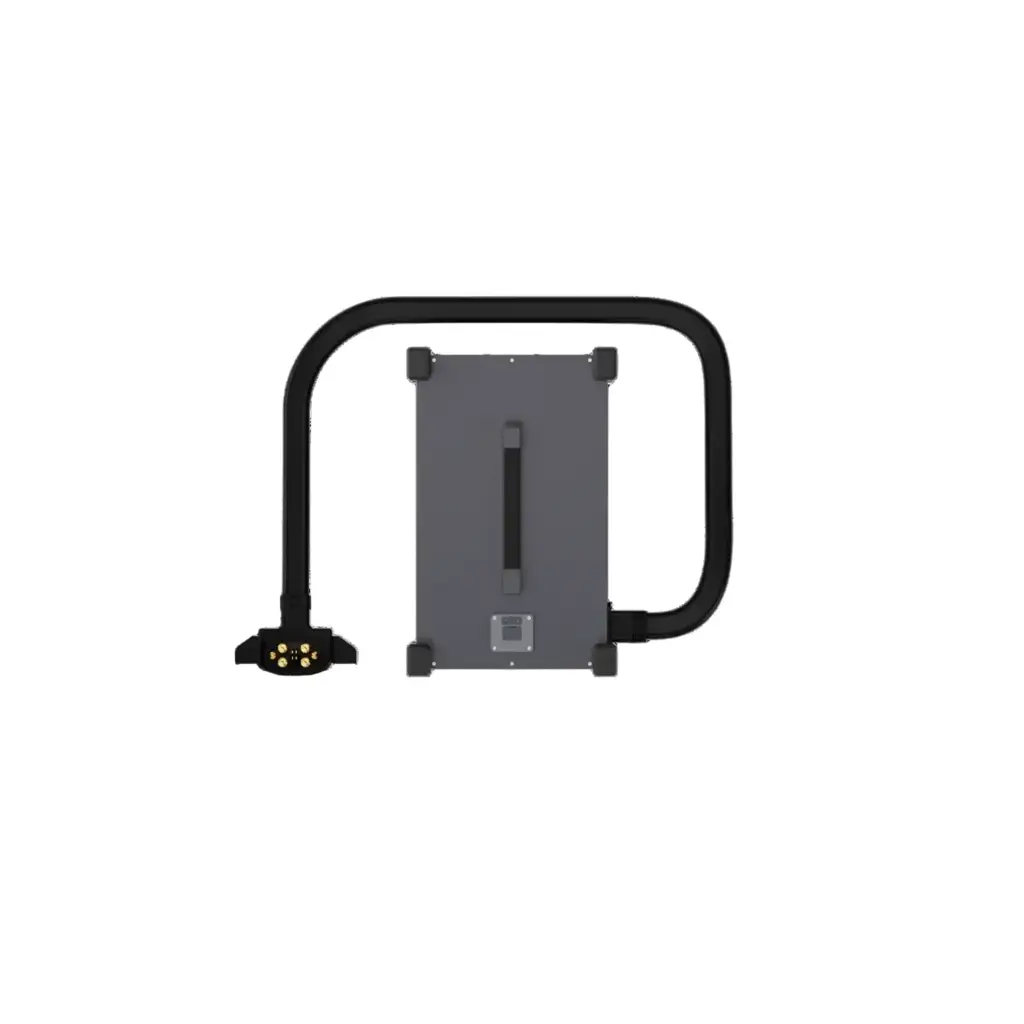
DJI FC100 Parachute Kit
Rescue and high-risk environments demand a risk-reduction story. Manual and automatic deployment modes.
Before drones, one major limitation was that helicopters are constrained by visibility and flight conditions, and ground teams often had to carry heavy equipment — ropes, anchors, warming kits, radios, and additional mission-critical items — while moving through exposed terrain. That weight penalty increases fatigue and can increase risk exposure on the approach.
DJI's case write-up includes the operational rationale: the FlyCart can deliver essential gear directly to an intervention zone, and it can run a programmed route even when clouds complicate helicopter operations. PGHM's framing is useful here — the drone pilot's job becomes deciding a safe drop point quickly, launching fast, and using delivery as a real-time resupply relay as the situation evolves.
Technical Stack
- • Cargo drone platform with winch delivery method for controlled placement
- • Mission programming, defined drop zones, and pre-briefed contingency actions
- • Crew model where drone operations integrate into the rescue chain as a logistics relay
Read Full Story
The outcome is not a marketing number, it is operational leverage. The unit describes reduced fatigue for rescuers, faster arrival at the victim's location, safer intervention conditions, and better energy preserved for decisive moments.
DJI's article lists the kinds of items they deliver, including ropes, medical kit, defibrillator, lifeline, and survival gear, which changes the time-to-support when the terrain is too unstable or exposed for a rescuer to proceed safely. The drone becomes a real-time resupply relay as the situation evolves.
Adoption had its own challenges, because mountain delivery is not simply "send the drone," it demands clear drop-off logic, route programming, and flight team discipline. PGHM's framing is useful here: the drone pilot's job becomes deciding a safe drop point quickly, launching fast, and integrating delivery into the rescue workflow.
Source: DJI Media Center
Alpine rescue operations
Programmed routes even when clouds limit helicopters
Rescuers preserve energy for critical moments
What SkyFlow Can Offer
SkyFlow can supply the aircraft and the add-ons, then help you turn the hardware into a repeatable operating playbook. That typically means scenario-based training, route planning, crew roles, cargo handling drills, and preflight and postflight checklists tailored to your environment.