Industrial Inspection with DJI Enterprise Drones

Infrastructure inspection, power line monitoring, pipeline surveys, and facility assessments with thermal and zoom cameras

Industrial teams are under pressure to inspect more assets, more often, with fewer shutdowns and fewer safety exposures. In the last few years, inspection by drone has matured from a pilot project into a repeatable, auditable workflow for utilities, energy operators, and infrastructure owners.

This page highlights real deployments around the world and shows how the same inspection stacks can be implemented in Canada with SkyFlow's hardware supply, setup, and training.

What industrial inspection by drone looks like in practice

Most mature programs converge on the same pattern: a zoom camera for visual condition checks, a thermal camera for early fault detection, and a repeatable mission plan so you can compare like for like over time. The biggest value usually comes from reducing climbing, reducing helicopter hours, and capturing better evidence on every visit.

Inspection stack blueprint (quick reference)

What you needWhy it matters in the fieldTypical deliverable
Zoom + wide cameraSee small defects without flying dangerously closePhoto evidence set, defect annotations
Thermal imagingDetect hotspots, abnormal heating, and hidden failuresThermal report, priority repair list
RTK (optional)Repeatable geometry, survey grade alignment when neededConsistent re-flights, measurement confidence
Flight planning + waypoint missionsSame path, same angles, consistent comparisonsRepeatable inspection record
Cloud ops + collaborationShare evidence fast, reduce back and forthFaster work orders, faster approvals

Real-world industrial inspection deployments

Case Study 1: Automated substation inspection at grid scale

Who and where

China Southern Power Grid ran automated drone inspections at a 500 kV substation in Yunnan Province, China.

The problem they had to solve

Substations are dense, high consequence environments where routine inspections are essential, but slow. Teams needed consistent inspection coverage without putting staff near energized equipment for long periods.

The challenge before drones

Traditional inspections required more time on site, more manual documentation, and limited repeatability. That made it harder to compare changes between inspection cycles and harder to scale coverage across many stations.

The challenge when adopting drones

The first hurdle was not "can a drone fly here," it was "can we fly the same way every time and produce data that engineers trust." Substations also have complex geometry, which increases collision risk and complicates path planning.

How they solved it

They combined repeatable waypoint missions with high quality sensing and a post processing workflow that quickly turned flights into inspection ready outputs.

Technical stack

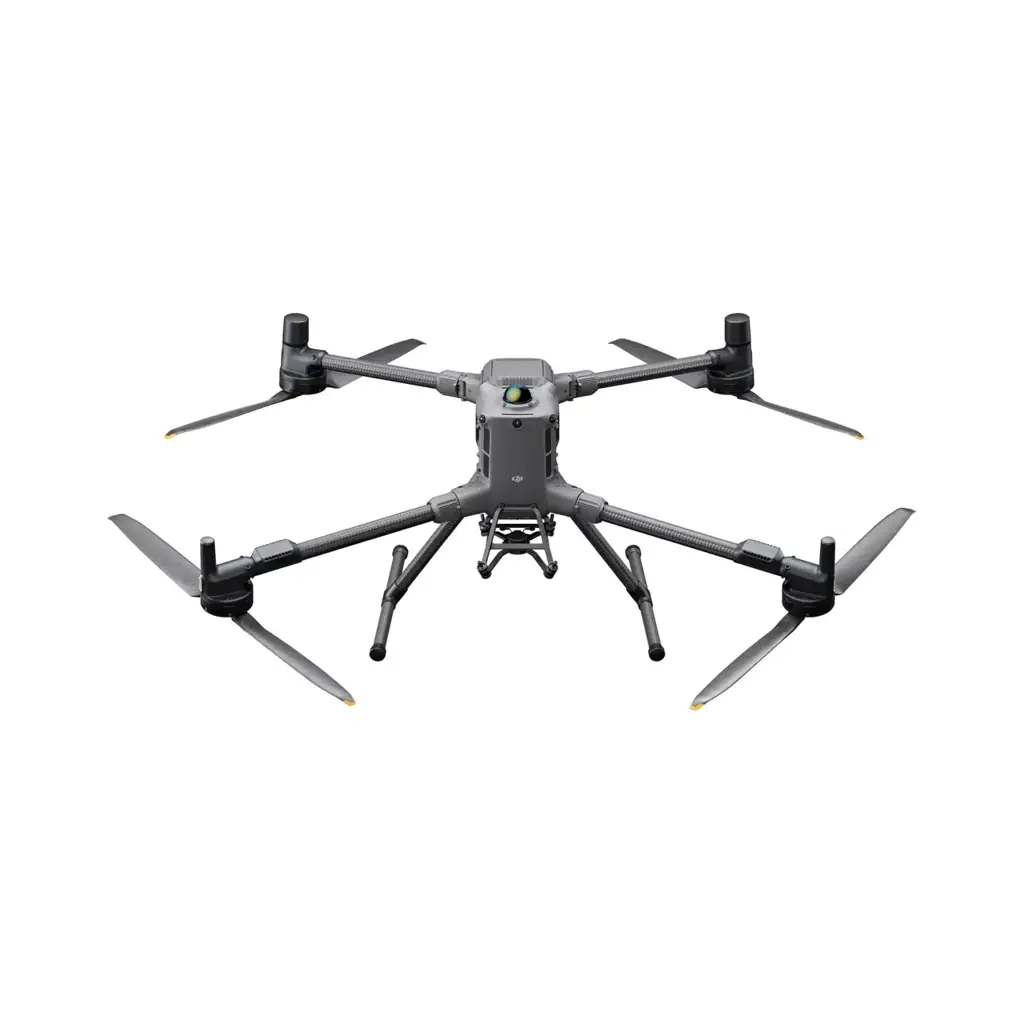
  • Aircraft and payload: DJI Matrice class platform with LiDAR and high resolution imaging for dense asset capture
  • Software: Waypoint missions for repeatable routes, plus processing software to build usable 3D outputs
  • Output: A consistent inspection record and 3D model that engineers can reference without re-visiting the site

Outcome

The program reported a major jump in inspection efficiency compared with traditional approaches, and the workflow made repeatability the default rather than the exception.
What SkyFlow can do for you: SkyFlow can supply the aircraft and payload, configure repeatable inspection templates, and train your team on safe substation flight technique, thermal interpretation basics, evidence capture standards, and inspection reporting.
Case Study 2: Transmission line inspections for a grid operator in Switzerland

Who and where

Alpiq EnerTrans used drones to inspect transmission infrastructure in Switzerland.

The problem they had to solve

Transmission assets are spread across long corridors, often in terrain that makes access expensive and risky. The operator needed high confidence visual evidence of hardware condition without relying on climbing every structure or scheduling helicopter patrols.

The challenge before drones

Ground crews spend time traveling and staging, and they still cannot easily capture consistent angles of insulators, fittings, and attachments. Helicopters are fast but expensive, weather dependent, and do not always produce inspection-grade closeups.

The challenge when adopting drones

Safety and repeatability become the hard constraints. The operator needs a workflow where the pilot can maintain standoff distance, avoid electromagnetic interference issues, and still capture usable detail. Data management also becomes a real job because inspections create a lot of imagery.

How they solved it

They used a zoom plus thermal capable inspection platform, and structured missions around consistent capture targets so that the inspection team could produce comparable outputs across the corridor.

Technical stack

  • Zoom imaging for detailed defect checks on fittings and insulators
  • Thermal imaging to highlight abnormal heating that can indicate failure risk
  • Standardized capture and file naming conventions so evidence flows into maintenance work orders

Outcome

The drone workflow reduced exposure to high risk climbing work and improved the speed at which inspection evidence could be collected and shared.

What SkyFlow can do for you: SkyFlow can set up your corridor inspection playbook, including standard shot lists, safe standoff guidelines, thermal capture settings, and a reporting template that makes drone evidence easy for maintenance teams to consume.

Case Study 3: Pipeline inspection and right-of-way monitoring in Pakistan

Who and where

Sui Southern Gas Company (SSGC) used drones to support pipeline inspection workflows in Pakistan.

The problem they had to solve

Pipeline integrity depends on spotting issues early, but pipelines cross areas where ground access is slow and where a faster situational picture can directly improve safety and response decisions.

The challenge before drones

Ground patrols are labor intensive and cannot always provide rapid, wide area visibility. When something changes along the right-of-way, teams need current visuals to decide whether to dispatch crews, shut down, or escalate.

The challenge when adopting drones

The barriers are operational, not theoretical. You need standard operating procedures, pilot training, and data handling rules so that flights are repeatable and evidence is defensible. You also need the right sensor choice, because a simple wide camera is not enough for many integrity checks.

How they solved it

They integrated drones into inspection routines as a faster method to capture current visuals over long stretches, then routed findings into their operations process.

Technical stack

  • Visual inspection imagery, focused on right-of-way conditions and visible hazards
  • Zoom capture for localized checks where standoff distance is required
  • Optional thermal workflows for facilities and above-ground components

Outcome

The drone workflow improved situational awareness and accelerated the "see, decide, act" loop for inspection teams.

What SkyFlow can do for you: SkyFlow can help you choose the right inspection package, train your pilots and inspectors on corridor workflows, and set up a data pipeline that turns imagery into a consistent inspection record.

Case Study 4: Utility scale solar inspections in Brazil

Who and where

Aeroprotechnik performed solar asset inspection work in Brazil using enterprise drone workflows.

The problem they had to solve

Solar farms contain thousands of modules, and small faults can reduce output long before a failure becomes obvious. Operators need a way to find anomalies quickly, then dispatch technicians to the right rows.

The challenge before drones

Manual inspection is slow and inconsistent, and ground based thermal scanning does not scale well across large sites. When the site is large, the cost of missing issues becomes meaningful.

The challenge when adopting drones

Thermal inspections only work when the workflow is controlled. You need correct flight planning, stable capture parameters, and a repeatable method so that hotspots are meaningful and not just artifacts of different capture conditions.

How they solved it

They used thermal capable drones for rapid coverage and combined it with a structured capture approach to produce technician friendly outputs.

Technical stack

  • Thermal imaging for anomaly detection at scale
  • Visual imagery to confirm what a hotspot corresponds to on the module
  • A reporting workflow that ties anomalies to a location so field crews can act

Outcome

The drone approach reduced inspection time and turned inspection into a repeatable routine rather than a disruptive project.

What SkyFlow can do for you: SkyFlow can provide the drone, train your team on thermal flight planning and interpretation basics, and help you build an inspection SOP that keeps thermal results consistent across seasons and sites.

Case Study 5: Bridge and transport infrastructure inspections in China

Who and where

PipeChina used drones to support bridge inspection work in Liuzhou, China.

The problem they had to solve

Bridges and transport assets require frequent visual checks, but many critical areas are difficult to access without lane closures, specialty vehicles, or work at height.

The challenge before drones

Traditional bridge inspection can trigger traffic disruption and expose inspectors to risk. Visual evidence is often limited by angle, access, and time on site.

The challenge when adopting drones

The hard part is capturing detailed evidence under and around structures without sacrificing safety. The other hurdle is turning that evidence into a clear maintenance action list.

How they solved it

They used drone based close visual capture as a safer method to document condition, then shared the outputs with engineering teams for assessment.

Technical stack

  • Zoom imagery for crack, spalling, corrosion, and connection checks
  • Repeatable capture patterns to compare the same areas across inspection cycles
  • Optional 3D capture workflows when the inspection team needs measured context

Outcome

The drone approach reduced disruption and improved the speed of evidence collection while reducing exposure for inspectors.

What SkyFlow can do for you: SkyFlow can train your team on structure inspection flight technique, help you standardize shot lists for bridge elements, and supply the right aircraft and accessories for stable flights in complex environments.

Drone selection matrix: which platform fits which inspection duty

Duty typeBest fitWhyWhen you pick a different one
Rapid thermal spot checksDJI Mavic 3TFast deployment, minimal kitMove to Matrice 4T when you want stronger telephoto plus enterprise workflow depth
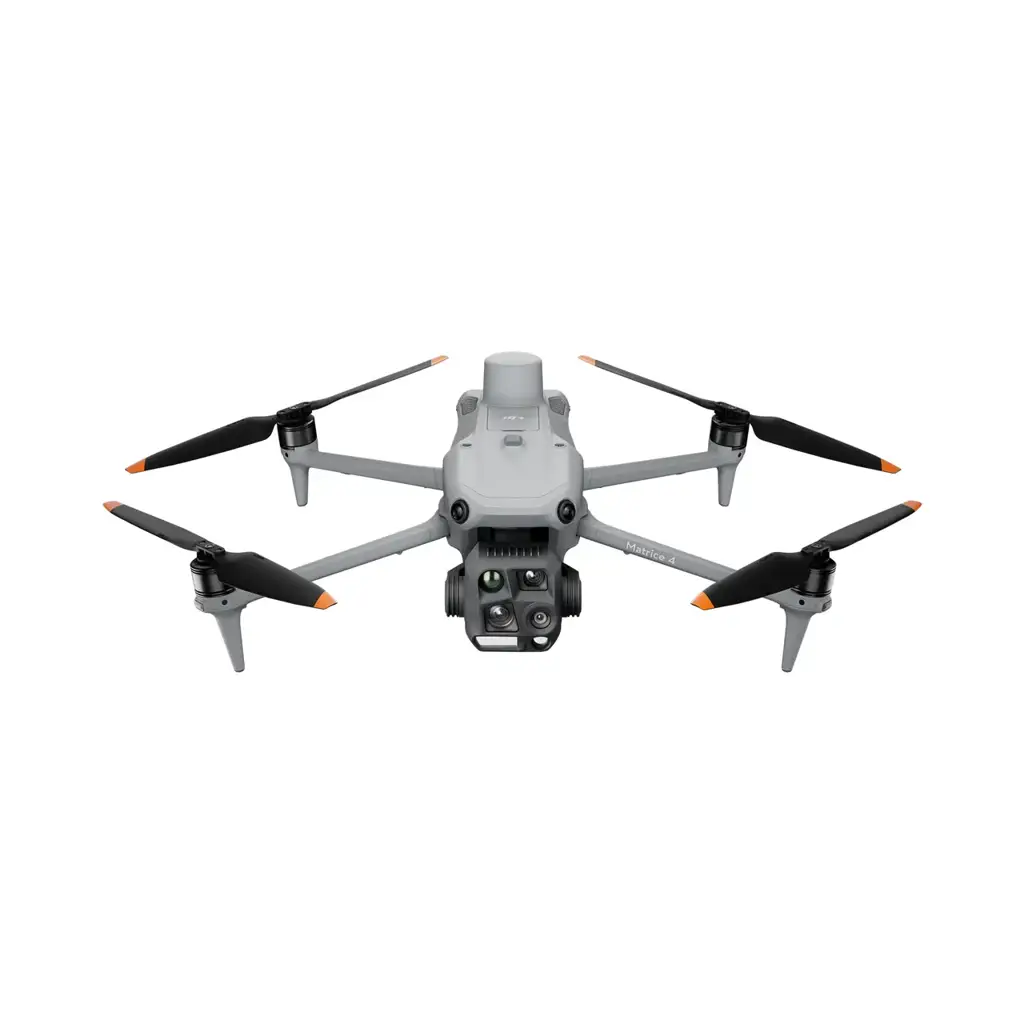
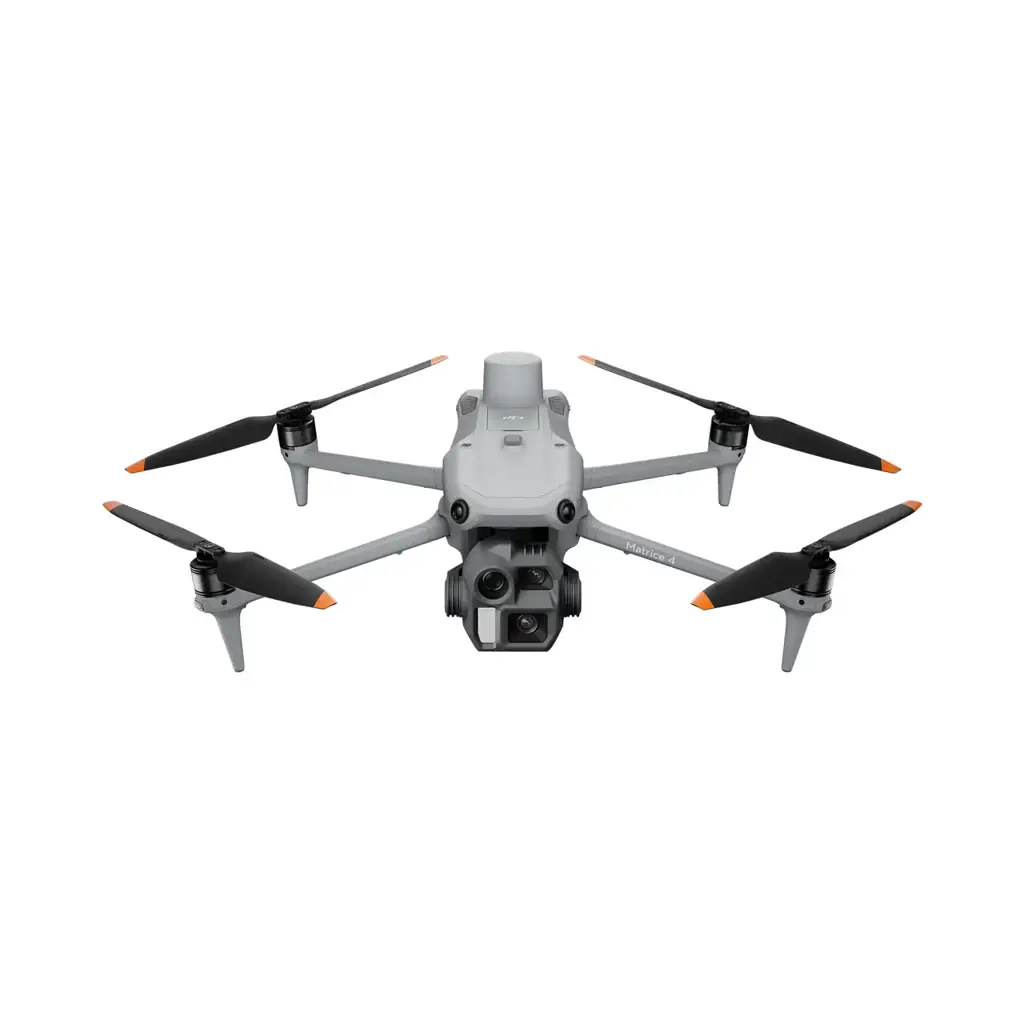
Standard industrial inspectionsDJI Matrice 4TThermal + zoom, repeatable evidenceMove to Matrice 400 when payload flexibility and program scale matter
Visual only condition documentationDJI Matrice 4EStrong visual detail, efficient workflowsMove to 4T when thermal is needed for predictive maintenance
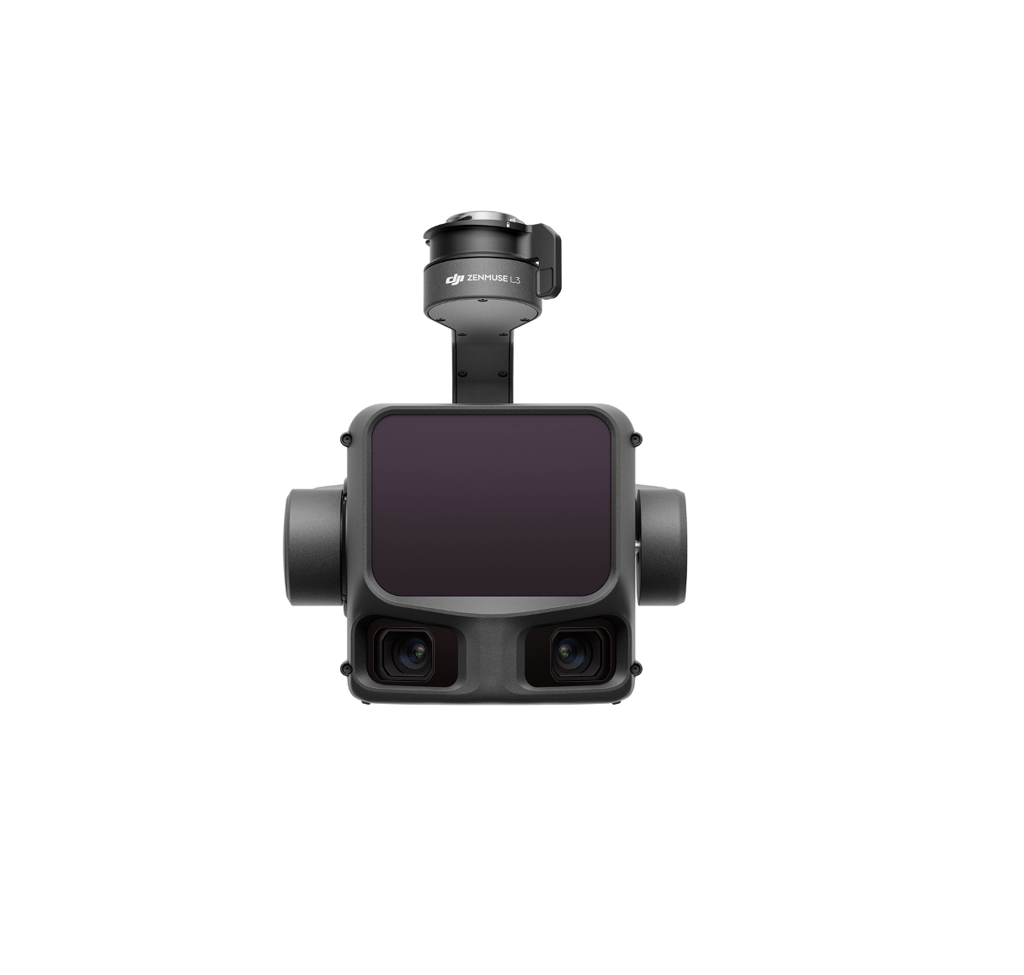
LiDAR corridor and complex geometryDJI Matrice 400 + Zenmuse L3Structure geometry and measured deliverablesStart with 4E or 4T if your deliverable is mainly photo evidence and you want lower cost

What SkyFlow offers for industrial inspection programs

SkyFlow is not only a drone shop, we support the full deployment path from purchase to first real inspection and then to standardization. We can supply DJI enterprise platforms, assist with mission planning templates, and provide training so your program produces consistent evidence, not just nice footage.

If you want, we can scope your first inspection package around one of these outcomes: thermal hotspot screening, zoom based condition documentation, corridor evidence capture, or measured 3D capture for engineering review.

Frequently Asked Questions

Can drones replace all industrial inspections?

No. They reduce climbing and improve coverage, but many programs still confirm issues with close manual checks. Drones usually shift the workload toward targeted maintenance rather than routine exposure.

Do I need thermal for every inspection?

Not always. Thermal is strongest for predictive maintenance and energy assets. Visual inspection alone is often enough for structural documentation and many civil assets.

What is the fastest way to start?

Start with one repeatable inspection playbook and one platform. Most teams begin with DJI Mavic 3T for rapid thermal checks or DJI Matrice 4T for a more standardized inspection program.

What makes a good industrial inspection drone?

The best industrial inspection drones combine zoom cameras for safe standoff inspection, thermal imaging for early fault detection, repeatable flight planning capabilities, and enterprise-grade reliability. Wind resistance, flight time, and payload flexibility become important as programs scale.

Videos and Resources

Ready to deploy inspection drones at your facility?

Tell us your asset type, inspection frequency, and whether you need thermal, zoom, RTK, or LiDAR, and we will recommend a right-sized package and training plan.

Location
Richmond Hill, Ontario, Canada