Surveying and Mapping Drones
(RTK, Photogrammetry, LiDAR)

Faster topo maps. Repeatable deliverables. Safer fieldwork. See how surveyors and infrastructure teams worldwide use DJI enterprise drones to turn sites into decisions quickly.

Fast shipping across North America · Expert support · Onsite training available

Modern surveying is no longer only about getting coordinates, it is about turning a site into decisions quickly. Drone mapping has matured into a repeatable workflow that produces orthomosaics, point clouds, terrain models, and volume reports on a schedule, with consistent accuracy when the RTK or PPK plan is designed correctly. Teams use it because it reduces exposure to hazardous terrain, it shortens survey cycles from days to hours, and it creates an auditable dataset that can be reprocessed later when requirements change.

SkyFlow builds these systems around DJI Enterprise platforms because the ecosystem is practical for real operations. The aircraft, RTK options, mission planning, and processing tools are designed to work together, which matters more than one impressive spec on a datasheet.

What Teams Actually Produce

What teams needTypical drone outputWhere it plugs in
Topographic base mapOrthomosaic + DSM/DTM + contoursCivil design, planning, permitting
Volumes and progressStockpile volumes, cut and fill surfacesEarthworks, quantity tracking, claims
Corridor and linear assetsLiDAR or dense point cloud + feature extractionRail, roads, utilities, right-of-way
Digital twin and inspection-grade model3D mesh + textured model + measurementsBIM coordination, heritage, facades
Coastal and water-adjacent surveyBathymetry-supported profiles + shoreline modelsCoastal engineering, erosion monitoring

Real-World Mapping Stories

United KingdomOctober 2019

A megaproject that needed faster, repeatable site capture

In the United Kingdom, the joint venture Balfour Beatty VINCI used drone mapping to modernize surveying on the High Speed 2 (HS2) development. Their core problem was not whether drones could make a map, it was whether they could standardize capture across a complex, evolving construction environment while keeping crews safe and productive.

Before drones, progress documentation and earthworks verification relied heavily on ground methods and manual site movement, which becomes slow, risky, and inconsistent when a site expands and changes daily. The major challenge was throughput. They needed a workflow that could be repeated frequently without turning "surveying day" into a disruption for the rest of the project.

When they adopted drones, the first operational challenge was consistency, not flight. They had to define a standard mission pattern, a repeatable control strategy, and a processing pipeline that produced the same outputs every time, even when conditions changed. They solved this by standardizing flight planning, tightening their control approach, and shifting toward an enterprise workflow that reduced friction for pilots and for downstream teams consuming the data.

Technical Stack

  • • RTK-capable mapping drone, automated grid missions, repeatable flight parameters
  • • Processing to orthomosaic and surface models, then volume, progress, and change detection
  • • Delivery into CAD or GIS, and into weekly reporting
Read Full Story

The HS2 story reports meaningful reductions in time and labor when drones became part of the standard process, rather than an occasional experiment. The team emphasized that operational discipline matters more than raw technology. By creating a standard mission pattern and control strategy, they transformed drone mapping from a specialty task into a routine part of site documentation.

The workflow included repeatable flight parameters, automated grid missions, and a processing pipeline that delivered consistent outputs regardless of who was flying. This standardization was critical for downstream teams consuming the data — engineers, planners, and stakeholders who needed to trust the outputs without re-validating every dataset.

Source: DJI Enterprise Insights

£5 Million+

Reported savings

Multi-km²

Construction site coverage

Weekly

Repeatable survey cycles

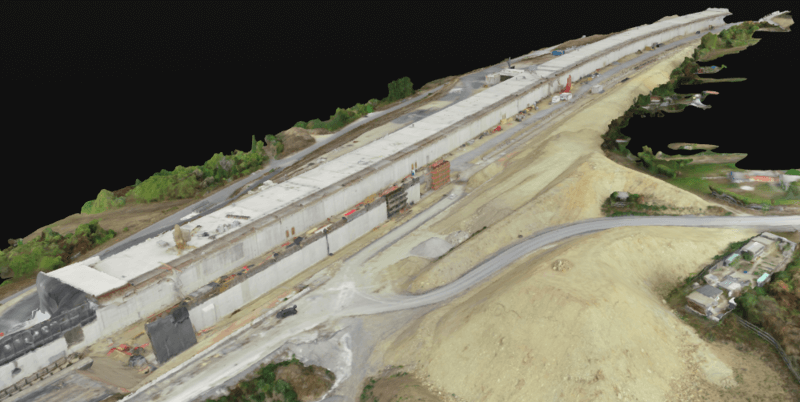
STRABAG 3D terrain models from drone mapping

What SkyFlow Can Offer

SkyFlow can deliver the aircraft, RTK hardware, and a deployment checklist that standardizes flight height, overlap, control strategy, and deliverable naming. We also provide operator onboarding so your team can produce the same outputs week after week, regardless of who is flying.
FranceMay 2021

Corridor mapping for rail, safety-first capture at scale

In France, Altametris documented a drone workflow for 3D railway mapping that focused on one hard reality: linear infrastructure is dangerous and slow to capture from the ground. The problem they were solving was corridor-scale mapping with enough fidelity to be operationally useful, without forcing crews into active rail environments.

Before drones, the challenge was site access and time on track. Linear surveys tend to expand in scope, and each additional kilometer multiplies the risk and coordination overhead. When they moved to drones, the new challenge became data density and processing discipline, because corridor mapping produces huge datasets that can collapse a workflow if you do not standardize capture and processing.

They addressed this by pairing an enterprise platform with a photogrammetry payload and a structured processing path that converts imagery into point clouds and models that engineering teams can actually use. Their published metrics emphasize the scale of efficiency gains, describing results on the order of 15× faster and 4× cheaper compared to prior approaches.

Technical Stack

  • • Enterprise platform with photogrammetry payload
  • • Structured corridor mission pattern with consistent overlap
  • • Point cloud and model processing for engineering deliverables
Read Full Story

Altametris emphasized that the key to success was standardizing the capture and processing workflow. Corridor mapping generates massive datasets, and without processing discipline, teams can spend more time fighting software than delivering outputs.

Their workflow converted imagery into point clouds and models that engineering teams could directly integrate into their CAD and analysis tools. This eliminated the traditional bottleneck where survey data sits in a specialist format that downstream teams struggle to use.

The 15× faster and 4× cheaper metrics reflect not just flight speed, but the entire workflow efficiency: less time coordinating track access, less exposure to live rail environments, and faster delivery of usable engineering outputs.

Source: DJI Enterprise Insights

15× Faster

Than traditional methods

4× Cheaper

Cost reduction

20 Minutes

To capture 3D railway site

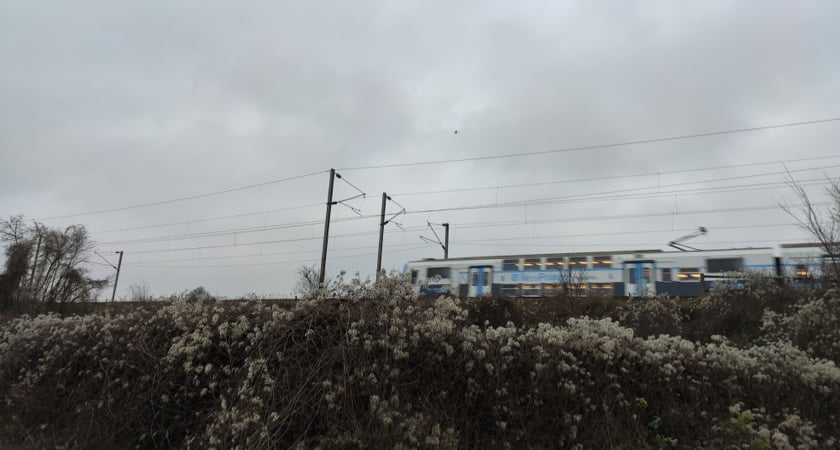
Railway corridor drone mapping by Altametris

What SkyFlow Can Offer

SkyFlow can supply the aircraft and payload, then help you set up a corridor mission template, control strategy, and deliverable spec that matches what clients usually request, such as LAS or LAZ point clouds, orthomosaics, and a repeatable report format for volumes or change detection.

Florida, USADecember 2022

Coastal bathymetry support where "boots on the beach" is slow and risky

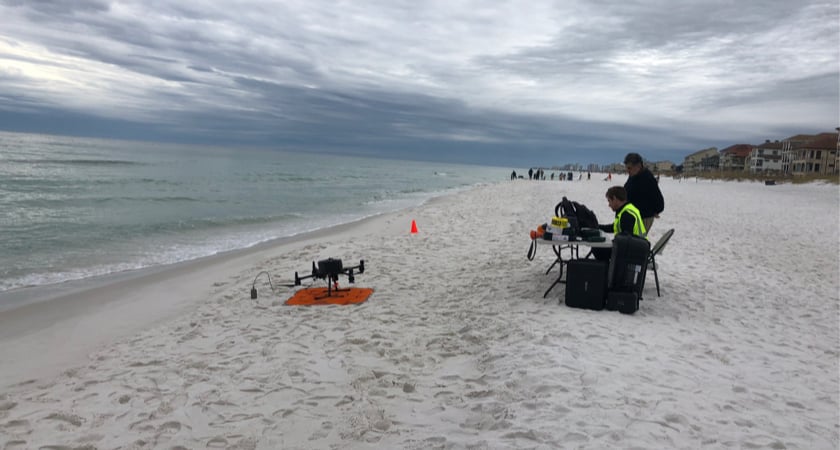
In Florida, Aerospectrum used an enterprise drone workflow for bathymetric survey support along beaches, in partnership with NuShore. The problem was practical: surf-zone and nearshore measurements are time-consuming and can be hazardous, especially when conditions or access constraints limit traditional methods.

Before drones, the major challenge was getting high-quality, repeatable measurements without spending excessive time moving people and equipment through dynamic water-adjacent terrain. When adapting drones, the challenge shifted to payload integration and stability. A workflow like this must keep the sensing system positioned consistently, and it must pair that data to a positioning solution that holds up under real field conditions.

Their published description highlights an RTK-driven approach and a system design that keeps sensors near the water surface with stable positioning, supported by operational tactics like low-altitude maneuvering and optimized battery use.

Technical Stack

  • • Enterprise platform with integrated bathymetric payload
  • • RTK positioning for consistent accuracy in dynamic environments
  • • Low-altitude stable flight with optimized battery management
Read Full Story

The Aerospectrum workflow emphasized stable platform control and RTK positioning as foundational elements. In water-adjacent surveys, even small positioning errors compound quickly, making RTK critical for delivering data that coastal engineers will trust.

Their approach included low-altitude maneuvering to keep the sensing system close to the water surface while maintaining stable positioning. This required careful mission planning and battery management, as low-altitude flight in coastal conditions can be demanding on aircraft systems.

The result was a workflow that delivered repeatable bathymetric measurements without the time, risk, and coordination overhead of traditional ground-based or vessel-based methods in the surf zone.

Source: DJI Enterprise Insights

RTK-Driven

Positioning strategy

Surf-Zone

Bathymetric coverage

Repeatable

Measurement workflow

Coastal bathymetric drone survey in Florida

What SkyFlow Can Offer

SkyFlow can provide the core enterprise airframe, the RTK base solution, and an integration consult for payload mounting and mission constraints. We can also help you define a data package that coastal engineers and surveyors will accept, so the drone dataset is not just a cool map, it is decision-grade.

Canada • GlobalSeptember 2024

Environmental and scientific mapping where processing discipline matters

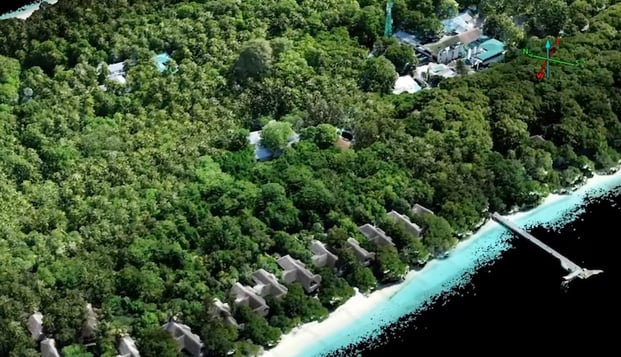
McGill University Applied Remote Sensing Lab (ARSL) documented how DJI processing workflows support scientific mapping and environmental monitoring across varied global locations. Their core problem was scaling mapping work across multiple environments and projects while keeping processing consistent and repeatable.

Before adopting a standardized drone processing workflow, the hard part was not simply collecting imagery, it was turning large numbers of images into comparable outputs across sites. When a lab runs multiple projects across different regions, inconsistency in processing settings can quietly destroy the ability to compare results.

Their solution emphasized using DJI Terra for reconstruction workflows so that outputs, such as orthomosaics and models, can be produced with consistent settings and a predictable process.

Technical Stack

  • • DJI enterprise platforms with RTK capabilities
  • • DJI Terra for standardized reconstruction and processing
  • • Consistent processing settings across multiple projects and regions
Read Full Story

McGill's ARSL emphasized that the key challenge in research mapping is not just capturing data, but maintaining processing consistency across projects. When research outputs need to be comparable across time and space, standardized processing workflows become essential.

By adopting DJI Terra as their reconstruction platform, the lab could ensure that orthomosaics and 3D models were produced with consistent settings, making outputs traceable and comparable months or years later. This matters enormously for environmental monitoring, where detecting real change requires confidence that differences in outputs reflect actual site changes, not processing variations.

The workflow also supported multi-project data organization, ensuring that as staff rotated or projects expanded, the processing discipline remained intact.

Source: DJI Enterprise Insights

Global

Multi-region deployments

Consistent

Processing across projects

DJI Terra

Standardized reconstruction

McGill University 3D island mapping with DJI Terra

What SkyFlow Can Offer

SkyFlow can help you define a repeatable capture and processing recipe, then train your team so results remain consistent as staff rotate. We also support multi-project data organization so your outputs remain traceable months later.

South KoreaOctober 2019

LiDAR mapping through vegetation, when photogrammetry struggles

In South Korea, Alpha Survey published a LiDAR mapping workflow for a rugged coastal road project, where vegetation and terrain complexity made traditional approaches slower and more fragile. The team's problem was producing an accurate topographic dataset across a multi-kilometer corridor while reducing time in the field.

Before drones, the challenge was field exposure and time. Corridor surveys through forested or uneven terrain often demand repeated site visits and heavy logistics. When they adapted drones, the new challenge became sensor selection and data handling. LiDAR introduces its own processing requirements, and the operator must match flight parameters to the environment to maintain point density and accuracy.

Their workflow emphasized LiDAR capture and reported substantial time savings for a 6.6 km alignment, describing completion in about two days, with centimeter-level accuracy and high point density coverage.

Technical Stack

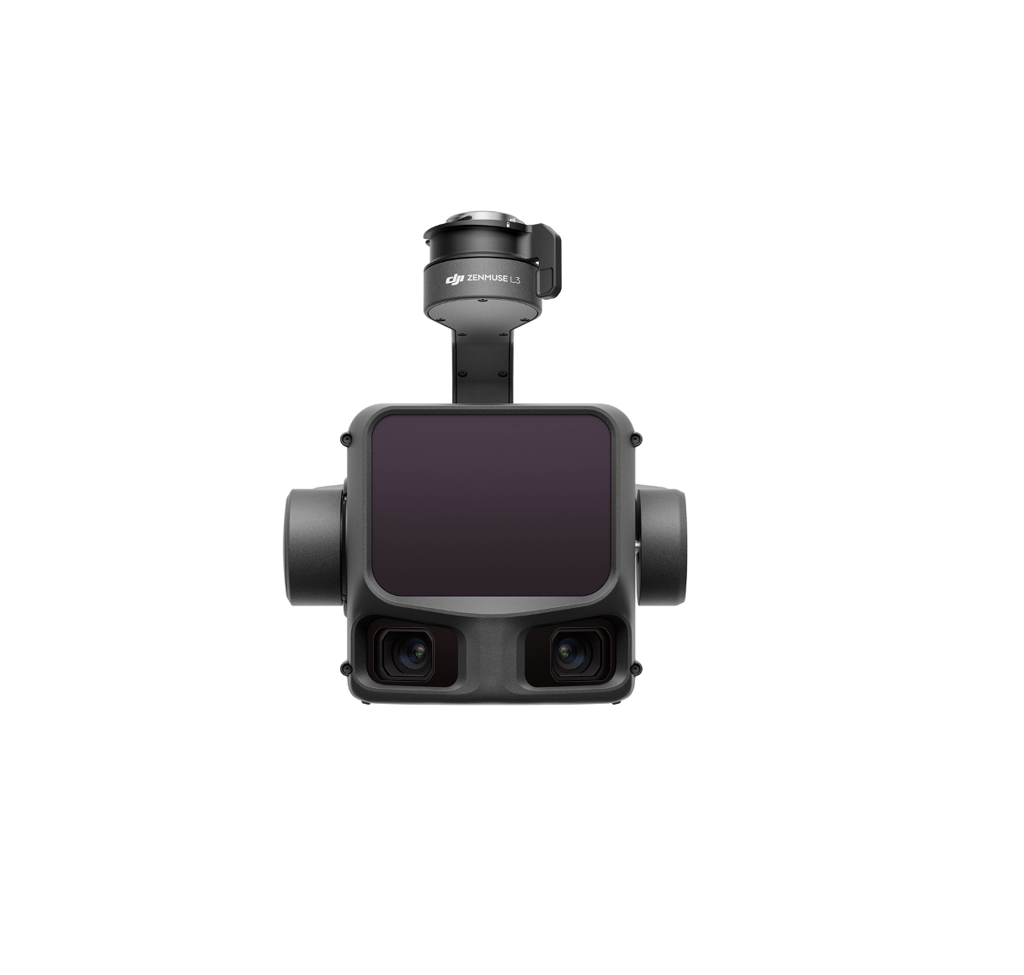
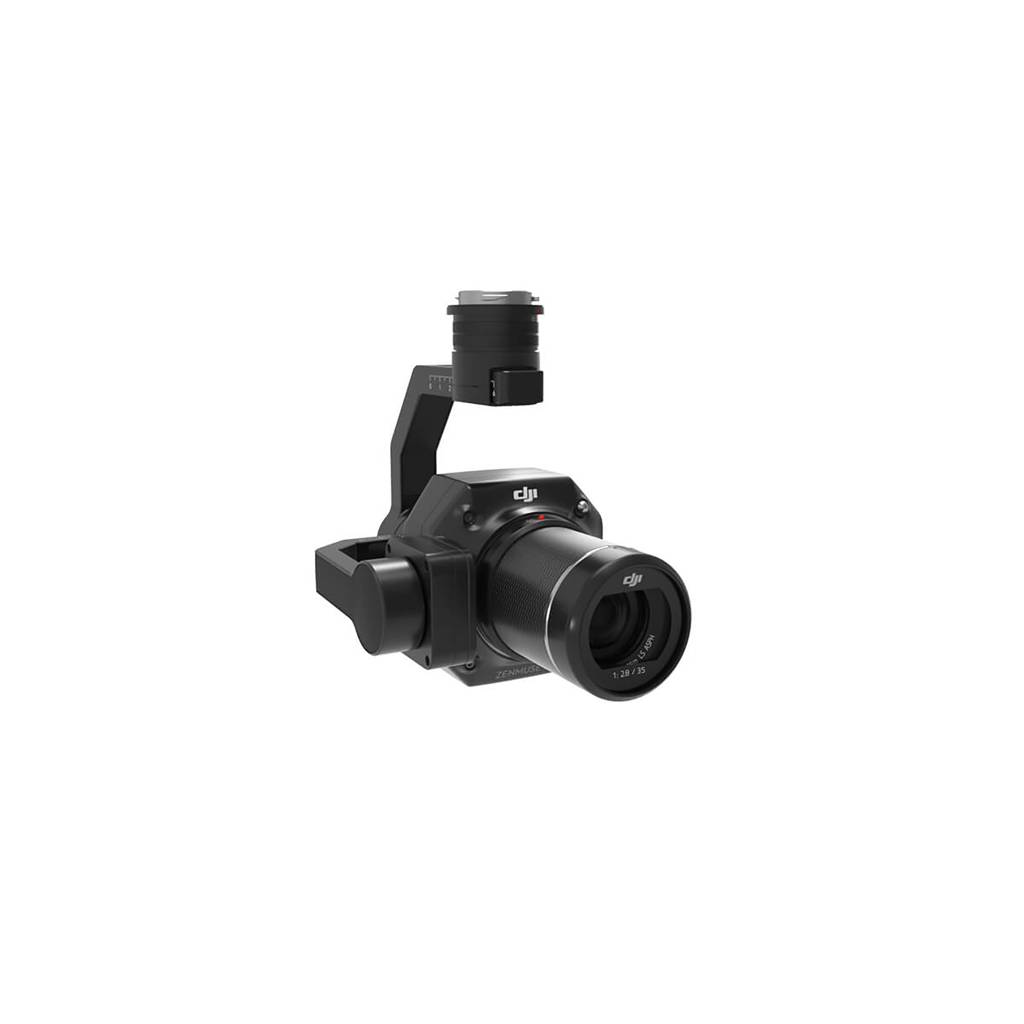
  • • Enterprise platform with LiDAR payload (Zenmuse L3)
  • • Flight parameters matched to terrain and canopy conditions
  • • Point cloud processing for corridor deliverables
Read Full Story

Alpha Survey's workflow demonstrated that LiDAR is the right tool when vegetation or terrain complexity makes photogrammetry unreliable. For a 6.6 km coastal road corridor, they achieved completion in about two days, a dramatic reduction compared to traditional ground-based methods.

The key to their success was matching flight parameters to the environment. LiDAR requires careful attention to altitude, speed, and overlap to maintain point density and accuracy. Their workflow delivered centimeter-level accuracy with high point density, producing outputs that engineering teams could directly use for design and analysis.

The case also highlighted the importance of data handling discipline. LiDAR produces large datasets, and without proper processing workflows, teams can struggle to deliver outputs in formats clients expect, such as LAS or LAZ point clouds.

Source: DJI Enterprise Insights

6.6 km

Corridor alignment

~2 Days

Survey completion time

Centimeter-Level

Accuracy with high point density

LiDAR road construction survey in South Korea

What SkyFlow Can Offer

SkyFlow can scope the mission around required point density, canopy conditions, and deliverable formats. We can also train your team on "LiDAR-ready operations," meaning flight planning, QA checks, and processing handoff, so LiDAR does not become an expensive sensor that nobody feels confident using.

Platform Picker: Which DJI Setup Fits Which Survey

Choosing the right RTK drone, photogrammetry drone, or LiDAR mapping drone depends on your deliverables and site conditions. Whether you need PPK workflow support, orthomosaic generation, or point cloud capture, this chart helps match DJI platforms to real survey needs.

Your JobBest-Fit DJI Setup from SkyFlowWhy It FitsWhen to Choose Something Else
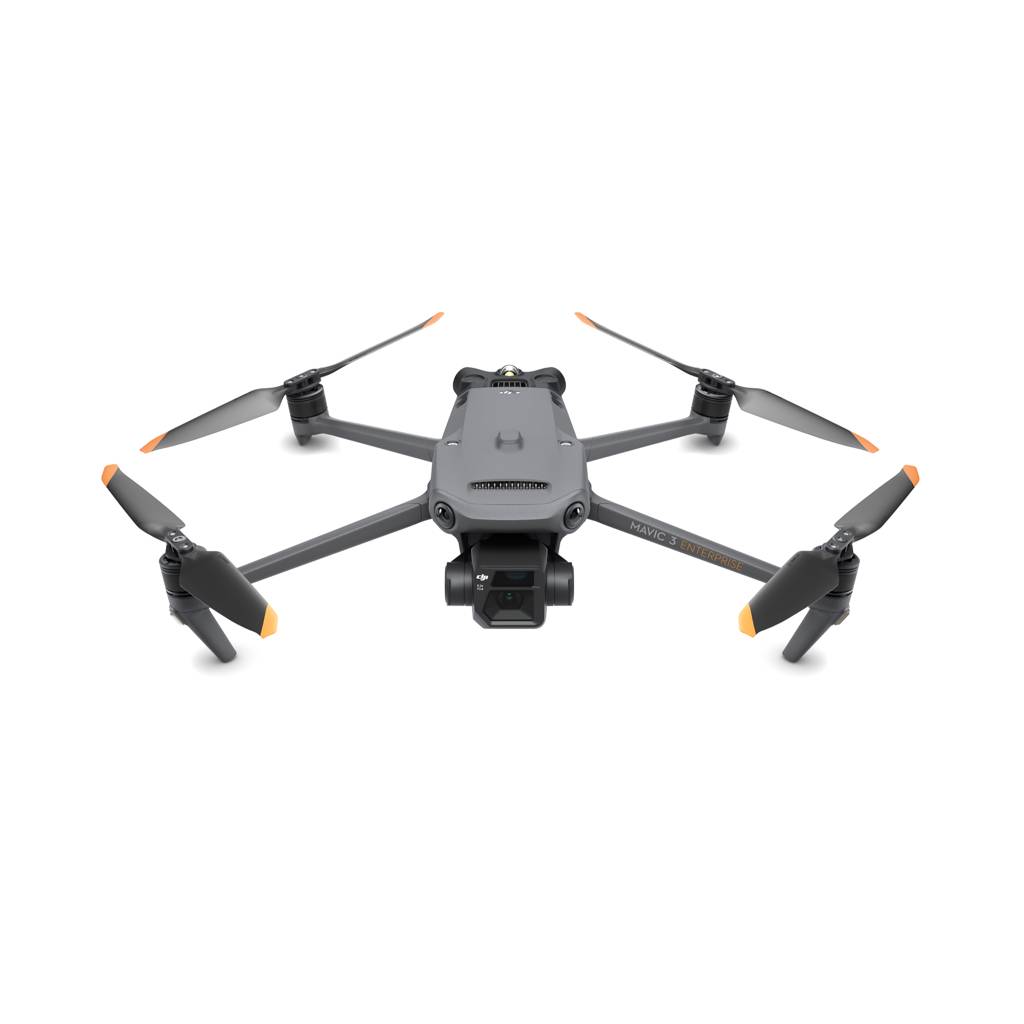
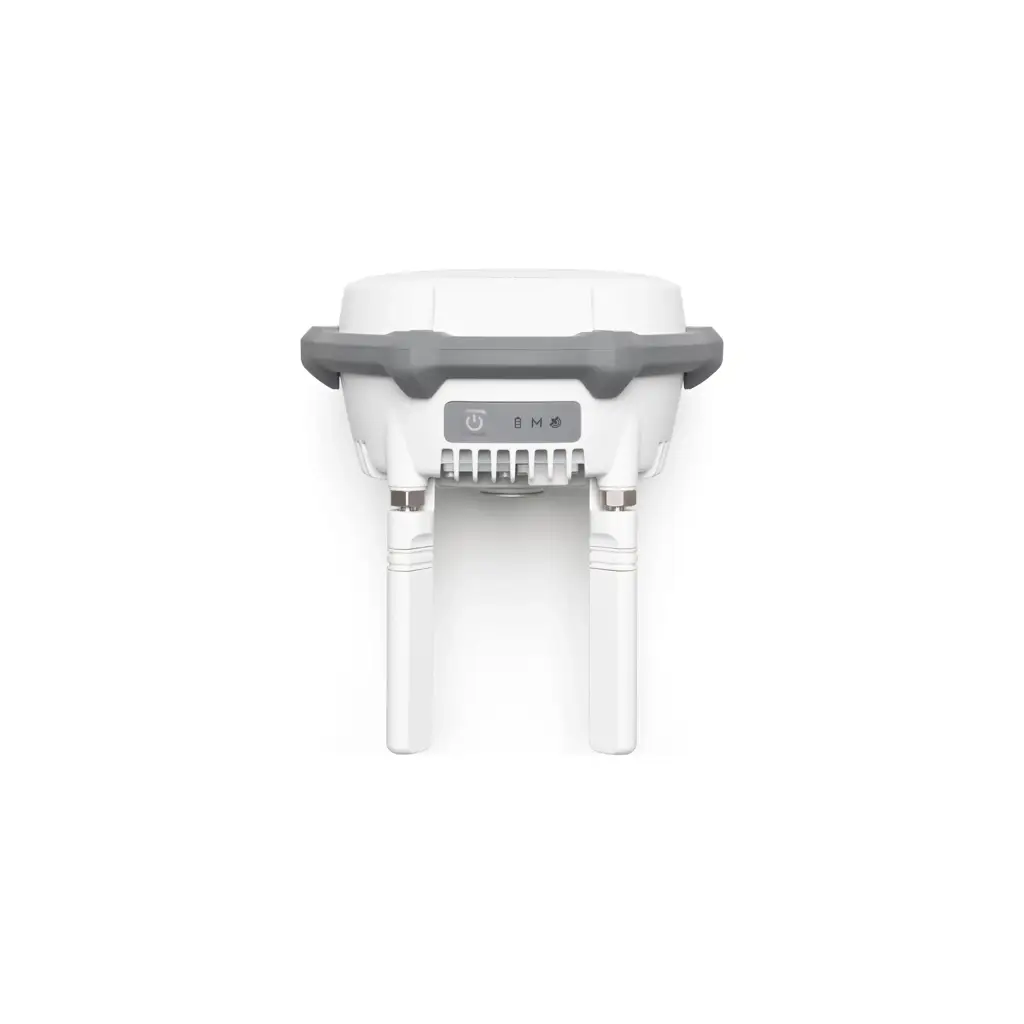
Fast topographic mapping, small to mid sitesDJI Mavic 3E + D-RTK 3 ModuleQuick deployment, efficient coverage, strong mapping workflowChoose Matrice 4E if you need more automation and expanded enterprise features
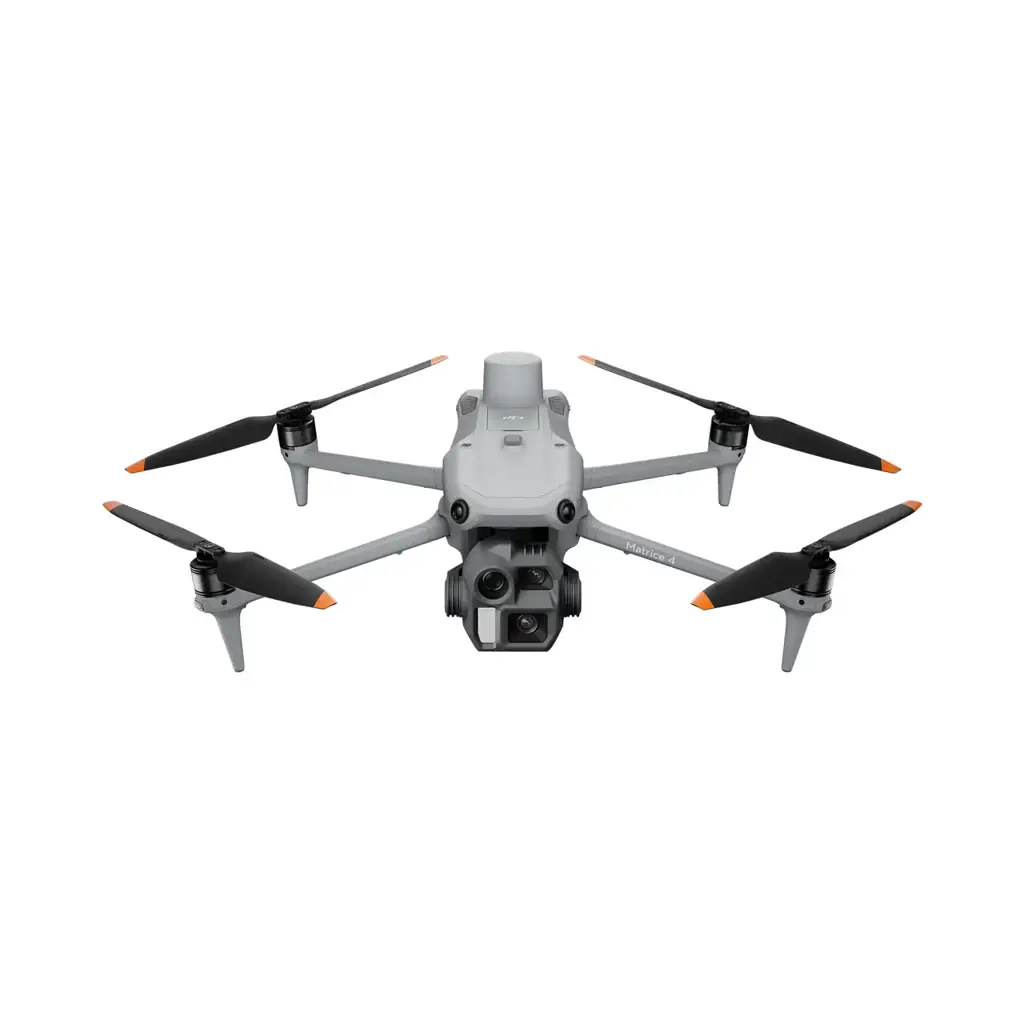
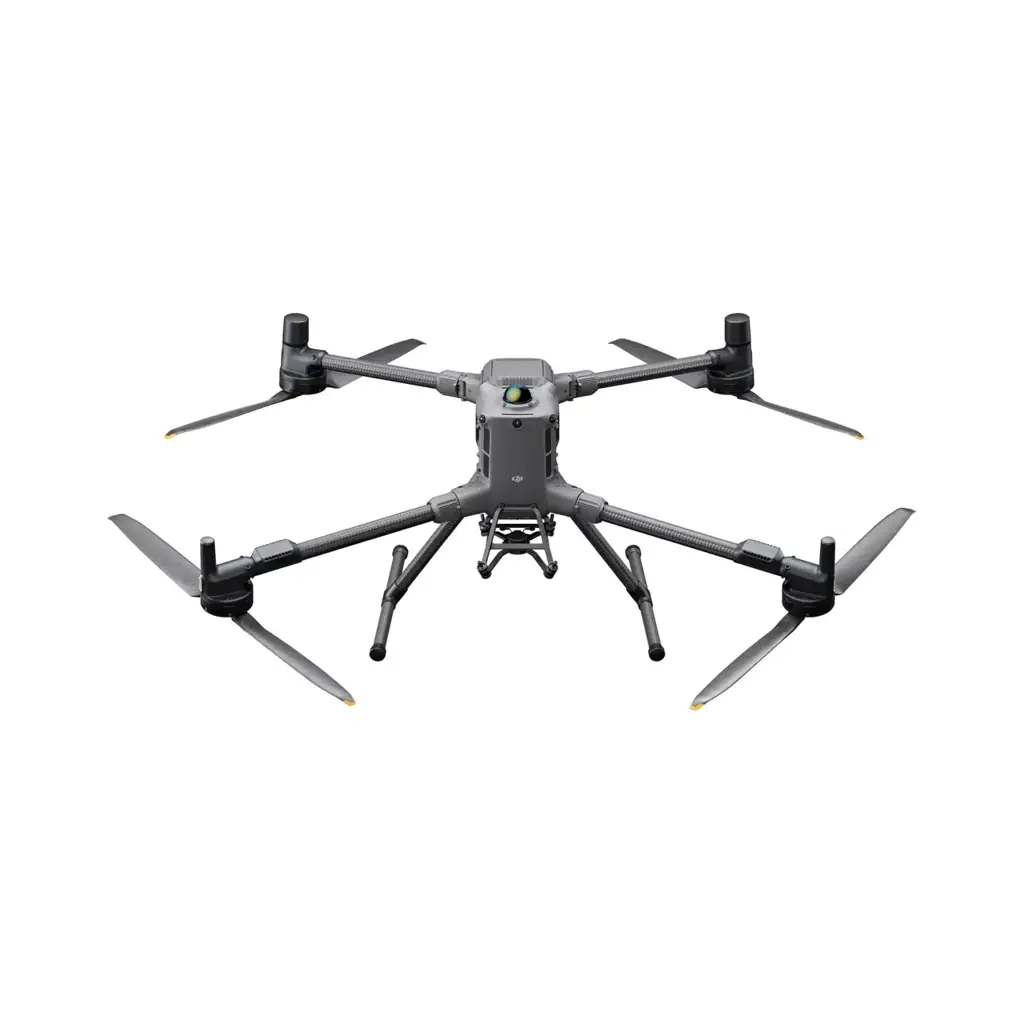
Higher-detail mapping and 3D modelingDJI Matrice 4E + D-RTK 3Smart capture features, faster modelling workflows, professional survey kit optionsChoose Matrice 400 if you need payload swaps like P1 or LiDAR
Photogrammetry with maximum fidelityMatrice 400 + Zenmuse P1Payload-driven quality and flexibilityChoose a fixed-wing mapping system for extremely large rural coverage when takeoff space and ops allow
Vegetation, corridors, complex terrainMatrice 400 + Zenmuse L3LiDAR solves what imagery cannot reliably seeChoose terrestrial LiDAR if you need interior-grade detail or strict ground control standards in constrained spaces
Specialized sensing like bathymetry supportMatrice 400 + RTK workflow + integrated payloadStable platform for custom field systemsChoose a vessel-based solution for deeper water and strict hydrographic standards

Frequently Asked Questions

RTK vs PPK: When do I still need GCPs?

RTK (Real-Time Kinematic) provides live corrections during flight, allowing you to achieve centimeter-level accuracy without post-processing, as long as you maintain a stable connection to a base station or correction service. PPK (Post-Processed Kinematic) logs the raw positioning data and applies corrections after the flight, which can be more reliable in areas with poor connectivity or heavy interference.

Even with RTK or PPK, you may still need Ground Control Points (GCPs) when:

  • Client specifications require independent verification
  • You're working in challenging environments where GNSS accuracy degrades
  • You need to meet strict survey-grade accuracy standards
  • You're delivering outputs that will be used for legal or regulatory purposes
What accuracy can I realistically expect from drone mapping?

With RTK or PPK workflows, you can typically achieve 2–5 cm horizontal accuracy and 5–10 cm vertical accuracy without GCPs, assuming good GNSS conditions and proper flight planning.

Factors that affect accuracy include:

  • Flight height: Lower = better GSD (ground sample distance), but slower coverage
  • Overlap: 75–80% front and side overlap is typical; higher overlap improves reconstruction
  • Lighting conditions: Consistent, diffuse light produces better results than harsh shadows
  • Terrain texture: Featureless surfaces (water, uniform pavement) are harder to reconstruct
  • Processing settings: Inconsistent settings across flights will degrade comparative accuracy
What deliverables do clients typically expect?

Common deliverables include:

  • Orthomosaic (GeoTIFF): Georeferenced, stitched image with uniform scale
  • DSM/DTM: Digital Surface Model (includes objects) or Digital Terrain Model (bare earth)
  • Contours: Line vectors at specified intervals (e.g., 0.5m, 1m, 2m)
  • Point cloud (LAS/LAZ): Classified or unclassified, depending on workflow
  • 3D mesh: Textured model for visualization or BIM coordination
  • Volume reports: Cut/fill calculations, stockpile volumes, change detection

Define deliverable formats, coordinate systems, and accuracy requirements before you fly to avoid re-work.

How long does processing take and why?

Processing time depends on dataset size, hardware, and output requirements. A typical 50-hectare site with 500–800 images might take 2–6 hours to process into an orthomosaic and DSM on a modern workstation.

Factors that affect processing time:

  • Image count: More images = longer processing, but better reconstruction
  • Image resolution: Higher megapixel sensors produce larger files
  • Point cloud density: Dense point clouds take longer to generate and classify
  • Output resolution: Higher GSD outputs require more computation
  • Hardware specs: GPU, RAM, and CPU all matter; photogrammetry is compute-intensive

Plan for processing time in your project schedule, especially for large or complex sites.

What about regulations and operational safety?

In Canada, commercial drone operations require a pilot certificate (Basic or Advanced) and compliance with the Canadian Aviation Regulations (CARs). In the United States, you need a Part 107 Remote Pilot Certificate.

Key operational considerations:

  • Airspace authorization: Check for controlled airspace and obtain clearances as required
  • Flight restrictions: Respect no-fly zones, privacy laws, and local regulations
  • Insurance: Carry appropriate liability coverage for commercial operations
  • Site safety: Conduct site assessments, identify hazards, and maintain safe distances from people and obstacles
  • Weather limits: Wind, precipitation, and visibility all affect safe operations

SkyFlow can provide guidance on regulatory compliance and operational best practices for Canadian operations.

How do I choose between Mavic 3E, Matrice 4E, and Matrice 400?

DJI Mavic 3E: Best for fast deployment, portability, and efficient topographic mapping on small to mid-sized sites. Built-in RTK, good camera, and easy to transport. Choose this if you need quick turnaround and don't require payload swaps.

DJI Matrice 4E: Best for teams that need more automation, advanced capture features, and professional survey-grade workflows. Stronger processing integration, better for complex 3D modeling and higher-detail mapping. Choose this if you're scaling up operations and need enterprise reliability.

DJI Matrice 400: Best when you need payload flexibility. Supports Zenmuse P1 (photogrammetry), Zenmuse L3 (LiDAR), and other specialized sensors. Choose this if you need to swap between photogrammetry, LiDAR, and inspection payloads, or if you're working on large corridor projects that demand maximum fidelity.

Still unsure? Contact SkyFlow and we'll help you match the platform to your deliverables and workflow.

Ready to Build Your Surveying Workflow?

Talk to a SkyFlow mapping specialist. We'll help you define your deliverables, choose the right platform, and train your team so drone mapping becomes a repeatable part of your operations.

Videos and References

Location
Richmond Hill, Ontario, Canada