Drone-Assisted Solar Panel Lifting
with DJI FlyCart 100
Turn the FlyCart 100 into a vertical conveyor for rooftop solar — real throughput benchmarks, platform comparison, battery operations, and Canadian regulatory guidance.
Throughput Benchmarks
SkyFlow internal operational targets based on standard 45 kg crystalline silicon panels.
Factors That Affect Real-World Throughput
The Traditional Bottleneck
Four constraints that break rooftop solar logistics before a single panel reaches the roof.
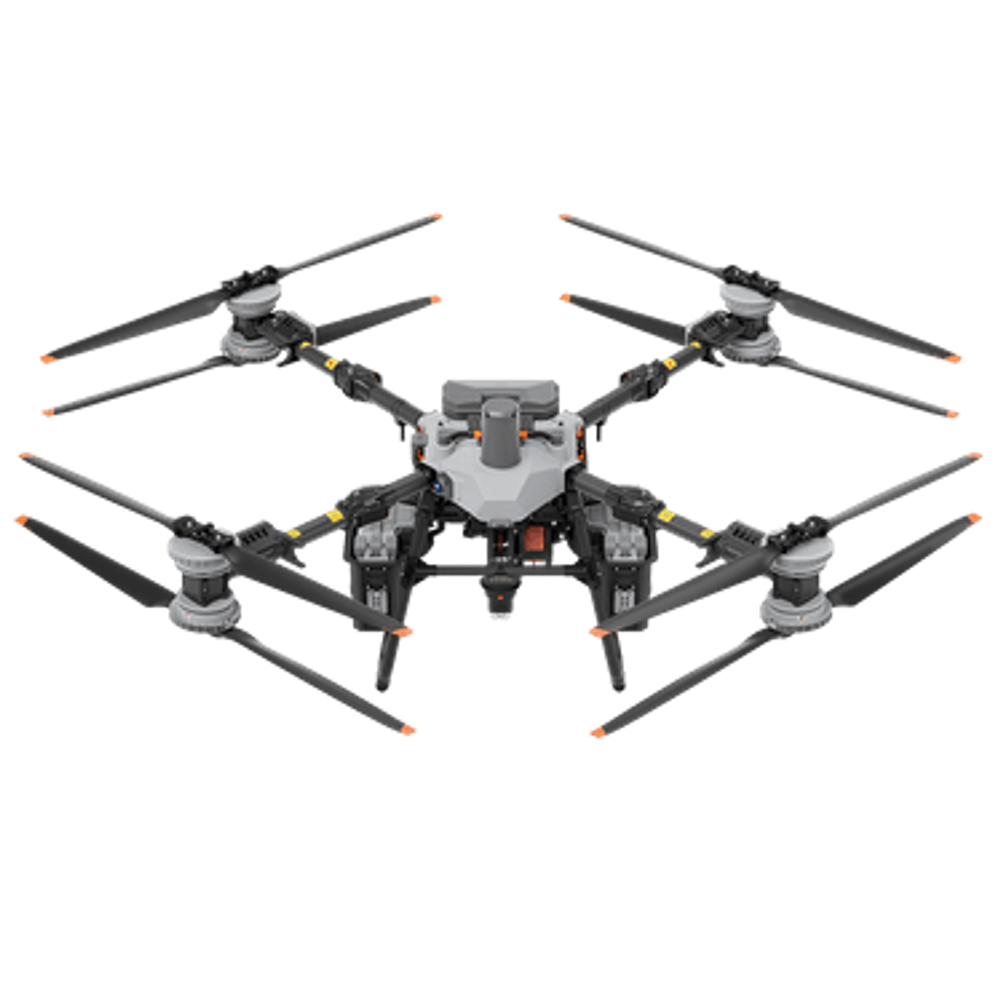
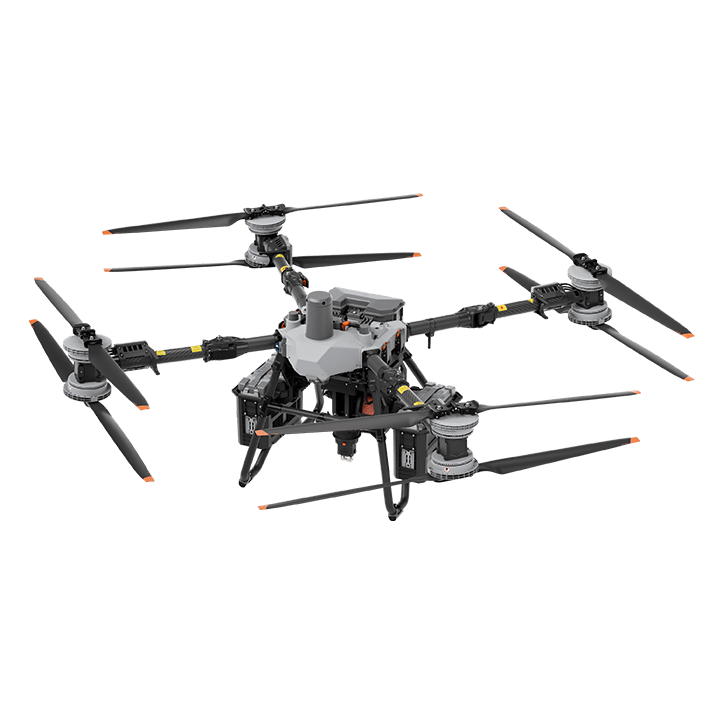
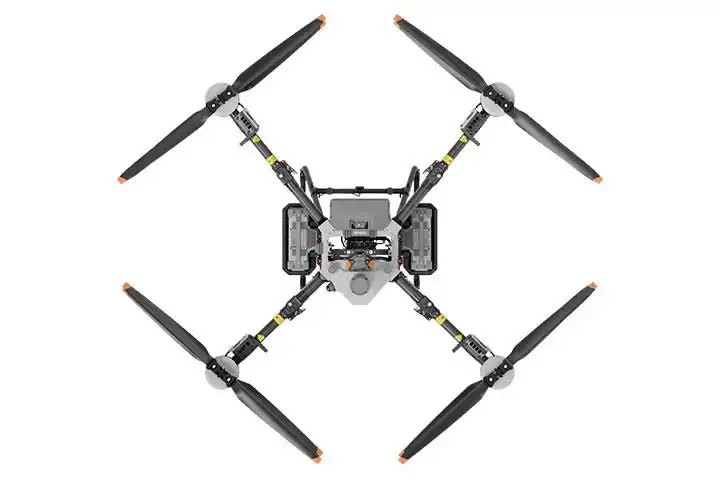
FlyCart 100: Built for Lifting
DJI designed FC100 as a delivery platform from day one — payload, winch, and safety built for repetitive logistics near buildings.
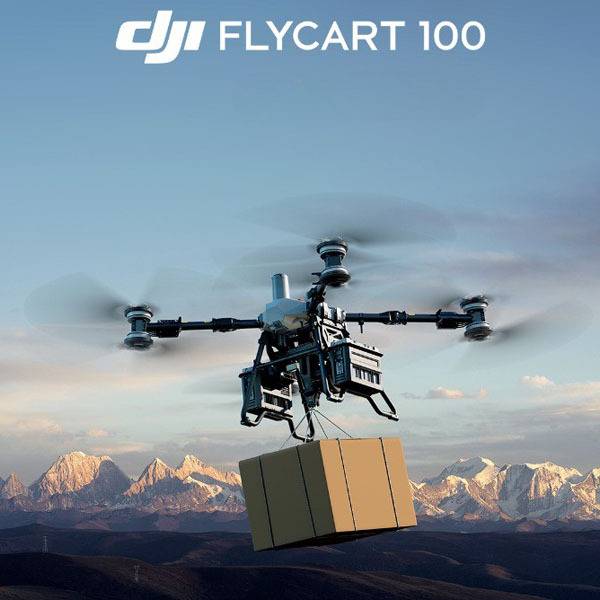
The Lifting Loop: 3 Stations
A practical FC100 rooftop lifting loop operates as a repeatable three-station system.
- Panels staged from truck onto ground pad
- Spreader bar keeps load stable under winch
- Electric hook connects to consistent lift point
- Minimize handling — straight from pallet to hook
- A–B route: ground pad → rooftop pad
- Winch keeps load clear of obstacles
- Auto Balance dampens swing on acceleration
- AR markers for repeatable approach paths
- Drone holds position — winch does precision work
- Crew guides and unhooks at marked drop zone
- One-tap electric hook release
- Immediate climb and return to Station A
FC100 vs FC30 vs T100: Platform Comparison
Why a delivery platform outperforms an adapted spray drone for rooftop lifting work.
| Feature | FlyCart 100 Delivery-first | FlyCart 30 Mid-size delivery | Agras T100 Ag with lift module |
|---|---|---|---|
| Primary Design | Aerial delivery | Aerial delivery | Agriculture spray |
| Max Payload (single batt) | 100 kg | 40 kg | 100 kg (lift module) |
| Max Payload (dual batt) | 85 kg | 30 kg | 80 kg (lift module) |
| Winch Cable | 30 m | 20 m | 10 m standard |
| Auto Balance Control | Yes | Yes | Triaxial force sensors |
| Mission Software | DJI Delivery App + AR | DJI Delivery App + AR | Ag mission planner |
| Parachute | Integrated option | — | — |
| Sensing Stack | LiDAR + mmWave + Penta | Binocular + IR | mmWave + Penta |
| Best Fit | Heavy rooftop lifting | Light rooftop lifting | Dual-use ag + rural lifting |
Bottom line: If your work is primarily logistics on and around buildings, FlyCart 100 is the more natural fit. The delivery-oriented mission software, AR tools, longer winch, and integrated parachute make it purpose-built for repetitive drops into tight pads. Agras T100 with a lifting module makes sense when you want dual-use between agriculture and basic rural lifting.
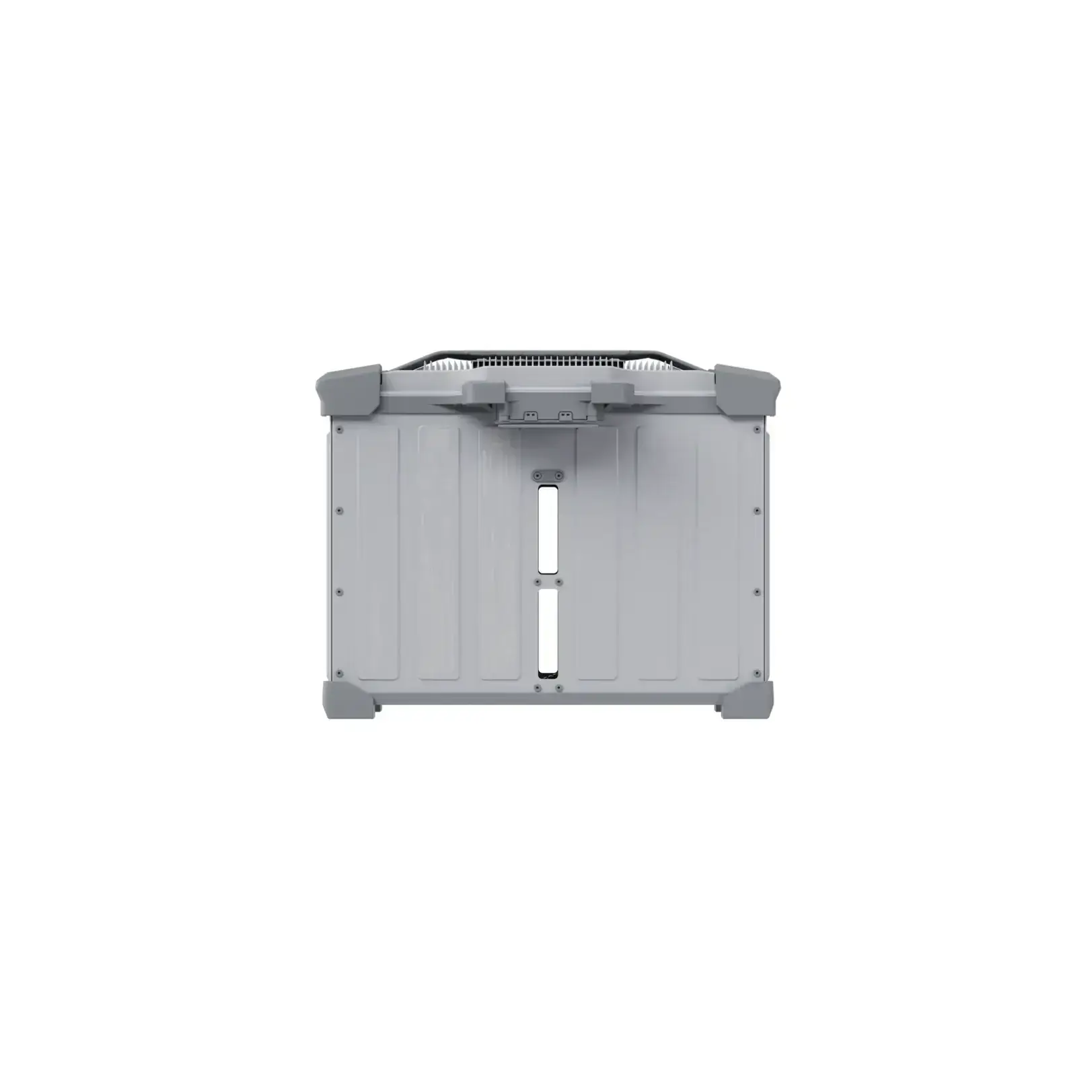
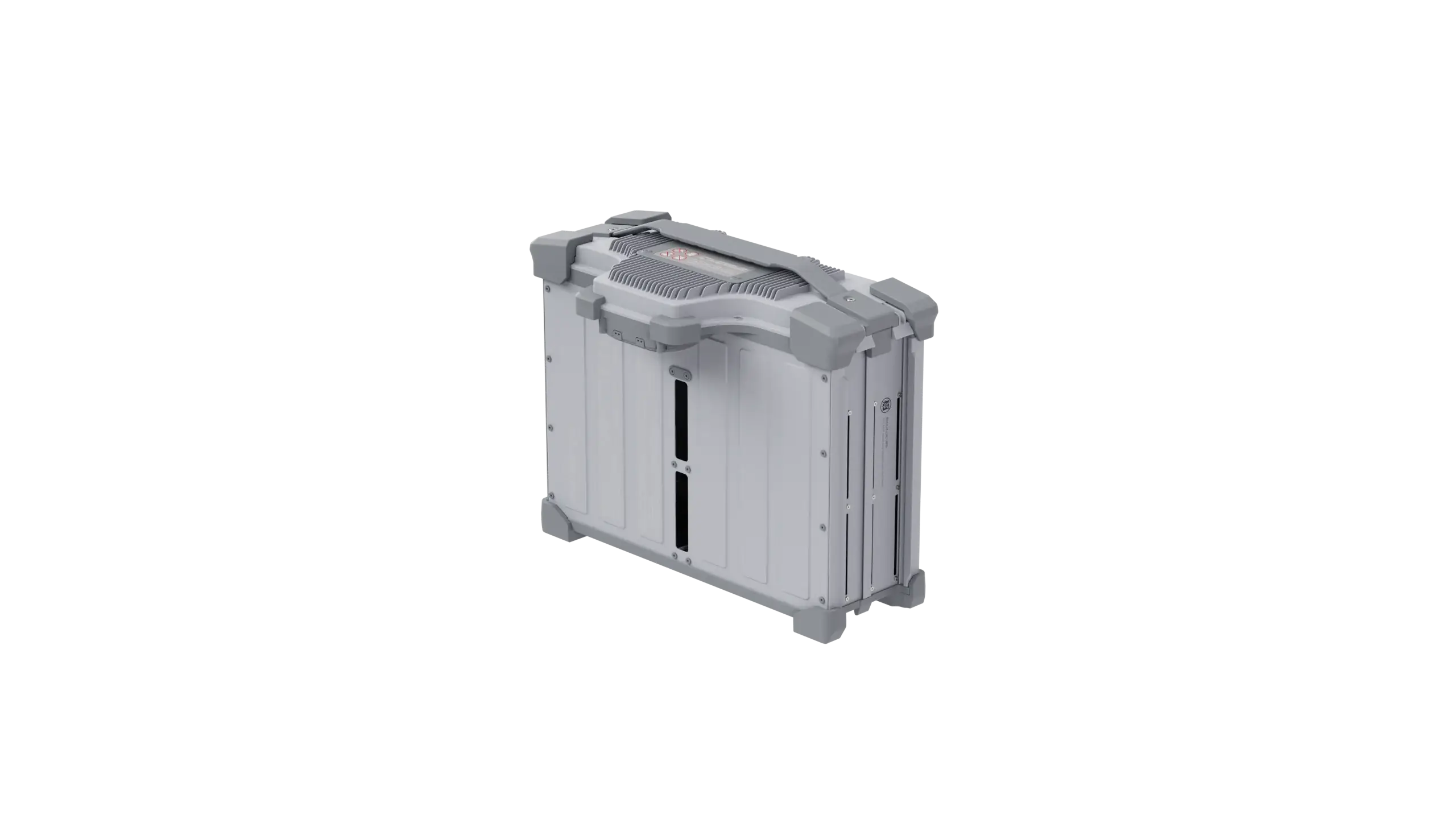
DB2160: Powering High-Tempo Lift Cycles
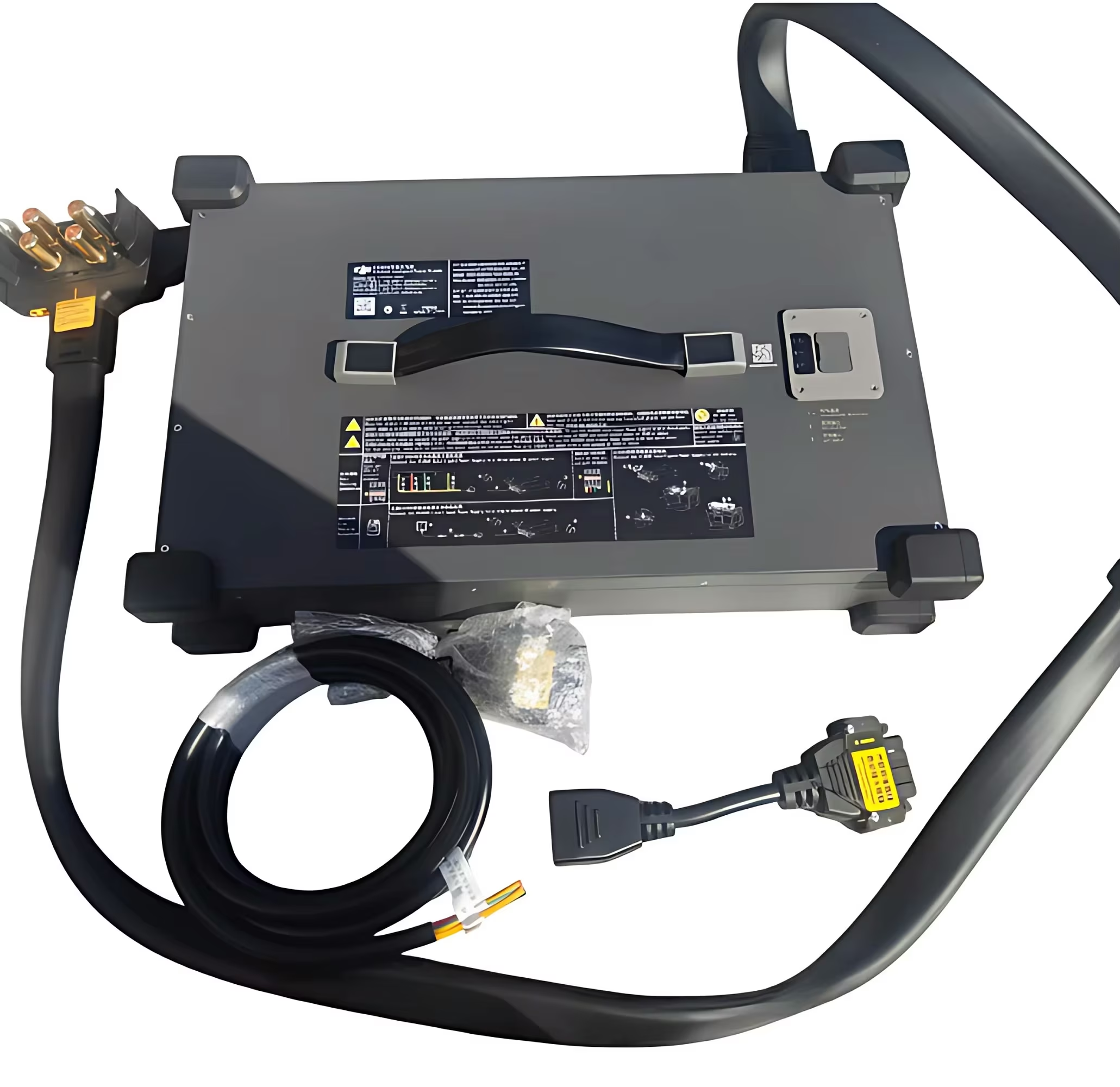
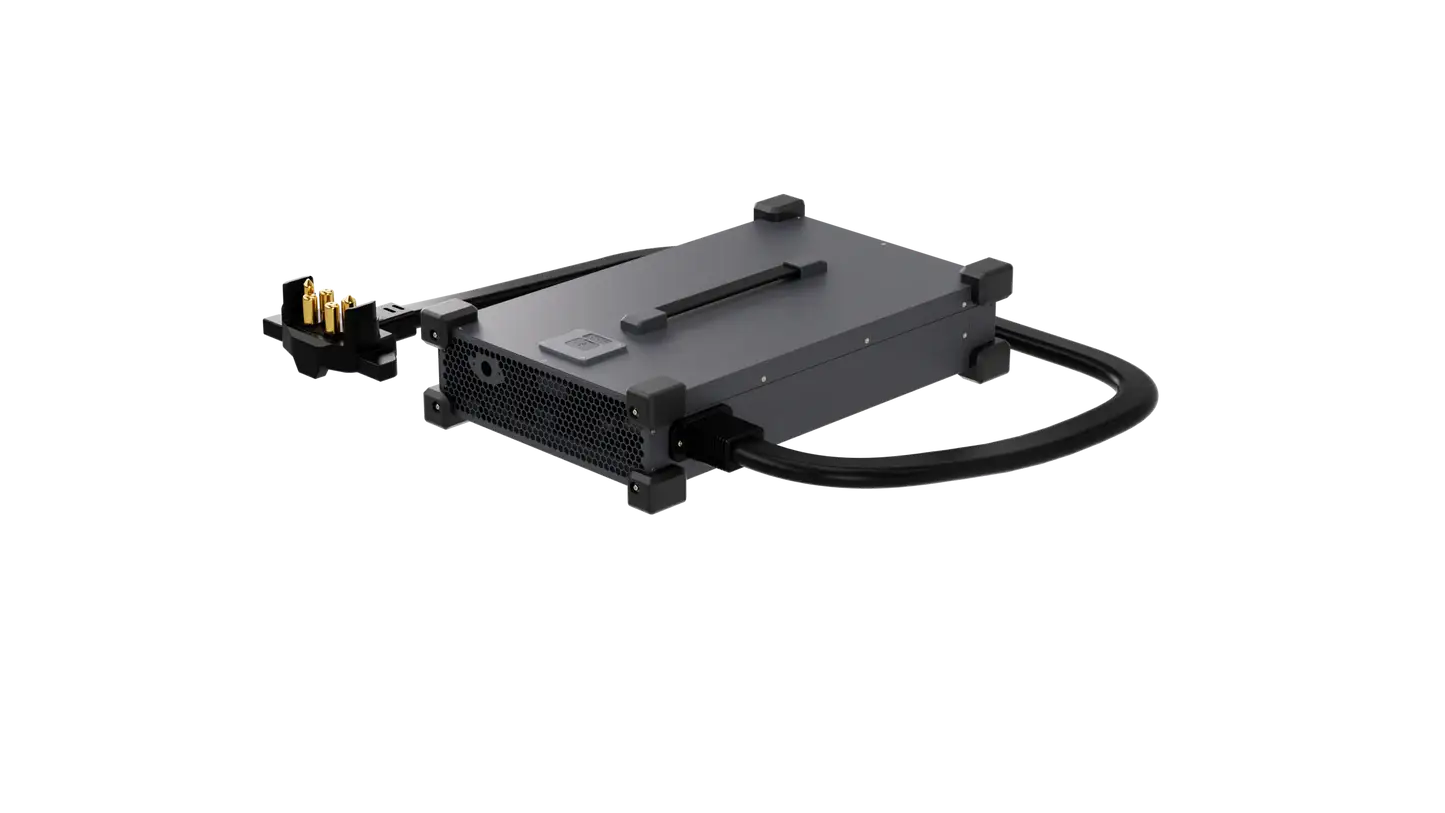
When you are running 200+ lift cycles per day, battery turnaround defines throughput. Here is why DB2160 changes the equation.
Lift Cycle Economics
What Changed for Solar Lifting Ops

Safety & Compliance: Parachute + SORA/SAIL
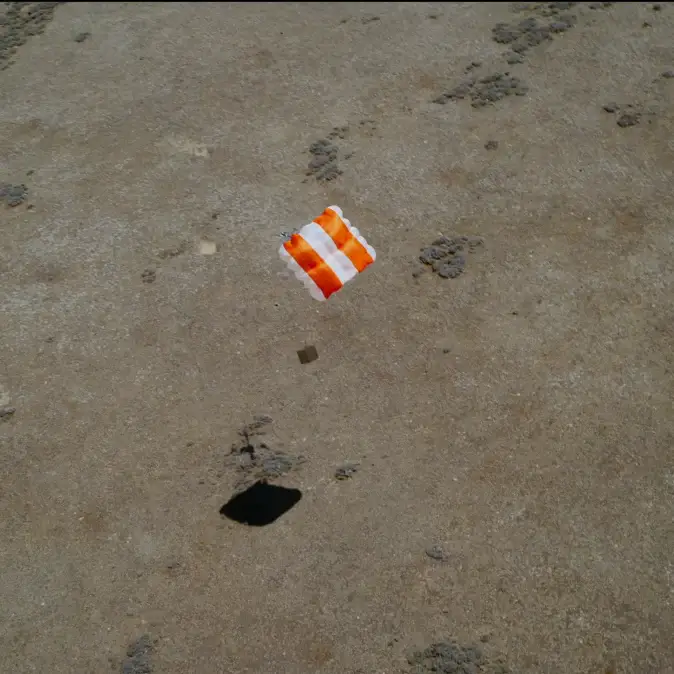
For work near people and buildings, safety layers matter as much as payload. Canadian drone regulations now incorporate SORA-based risk assessment.
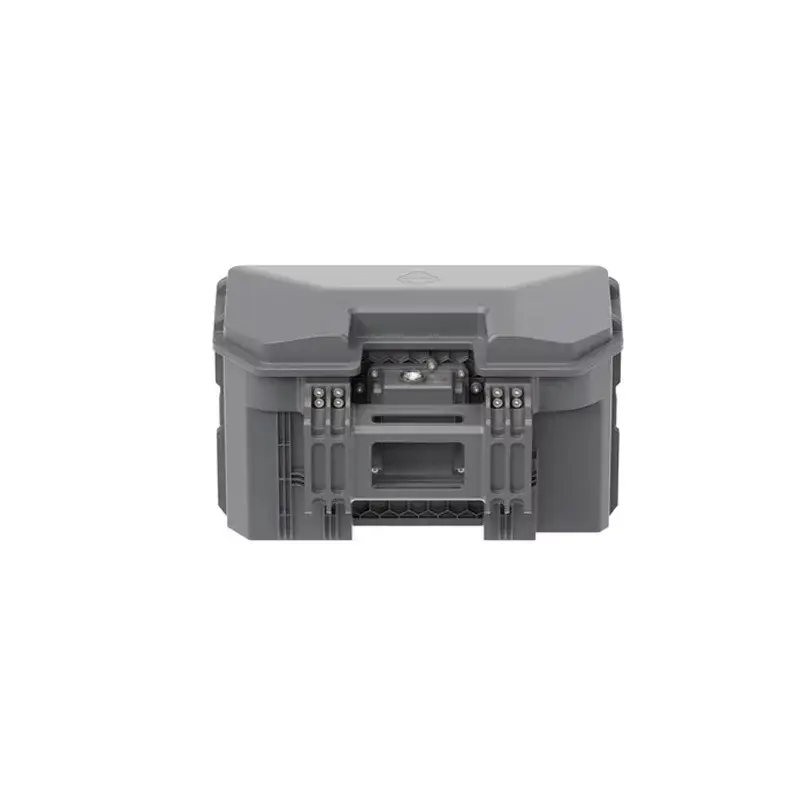
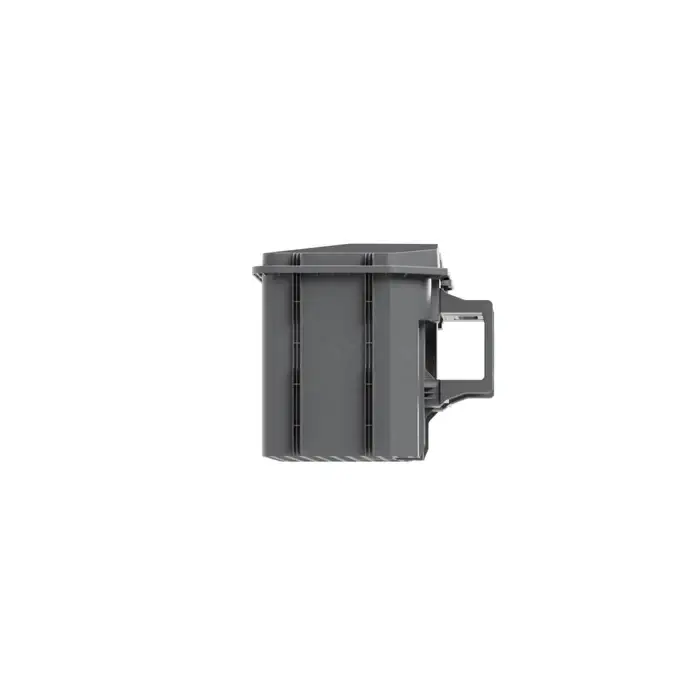
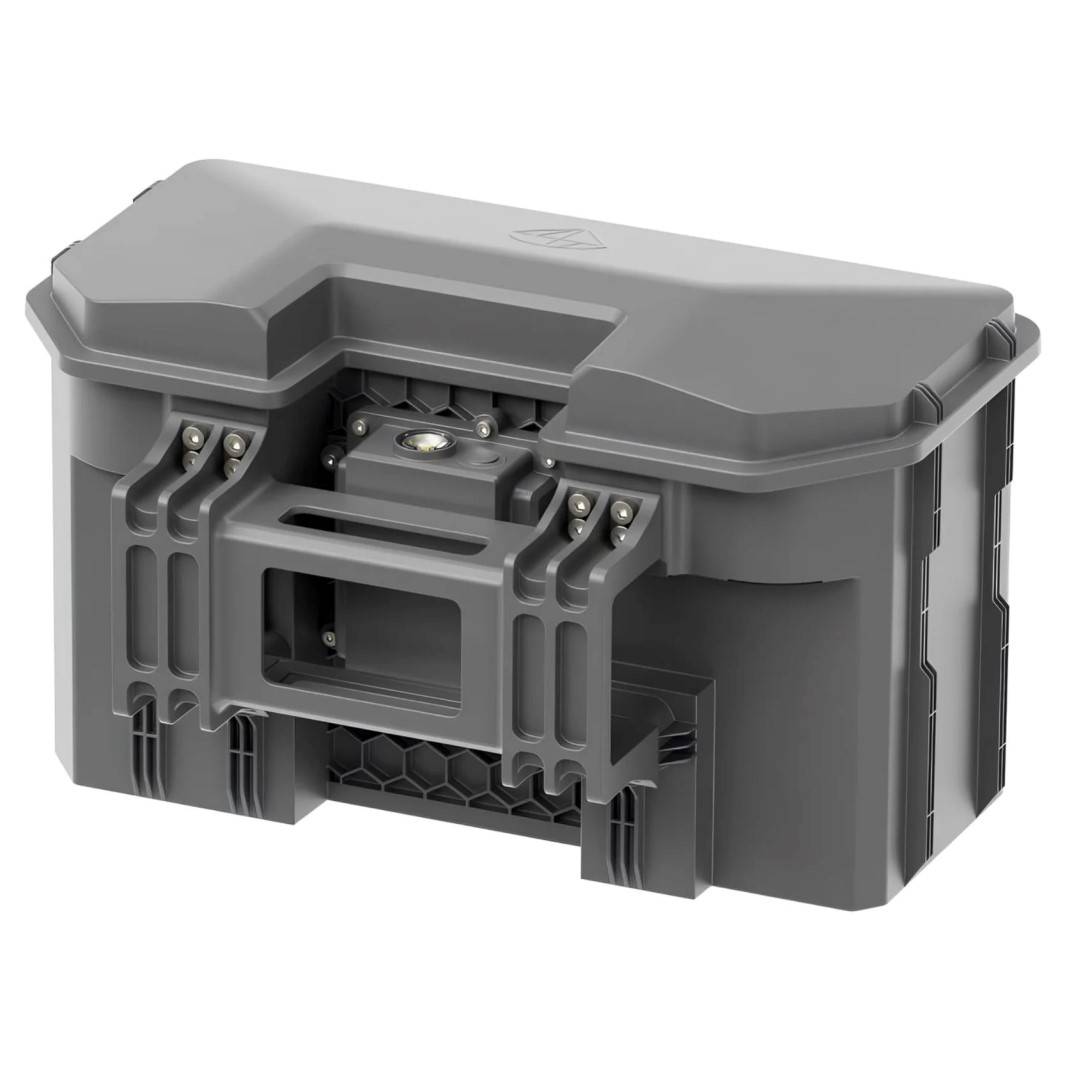
FC100 Parachute Kit
Transport Canada SORA & SAIL
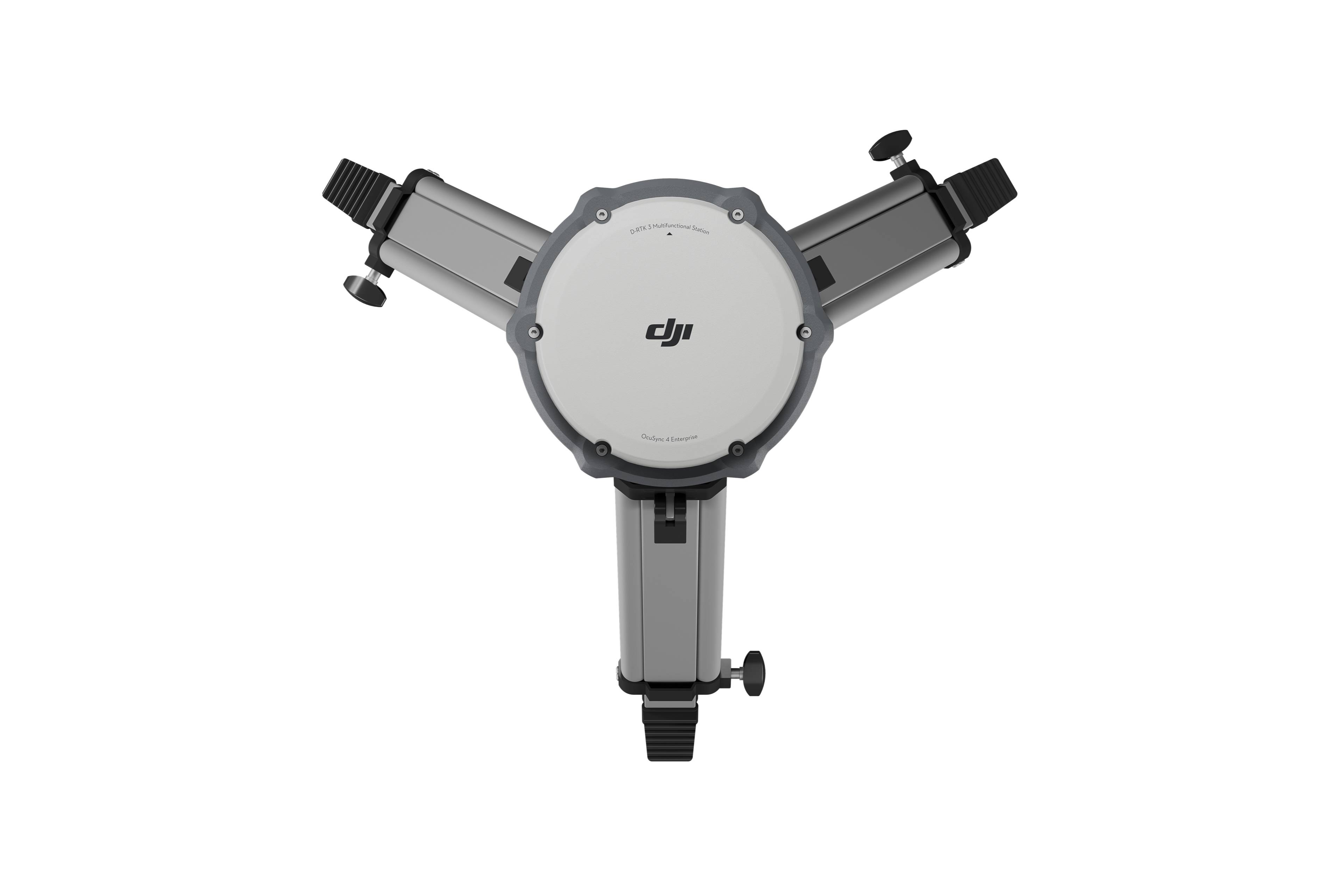
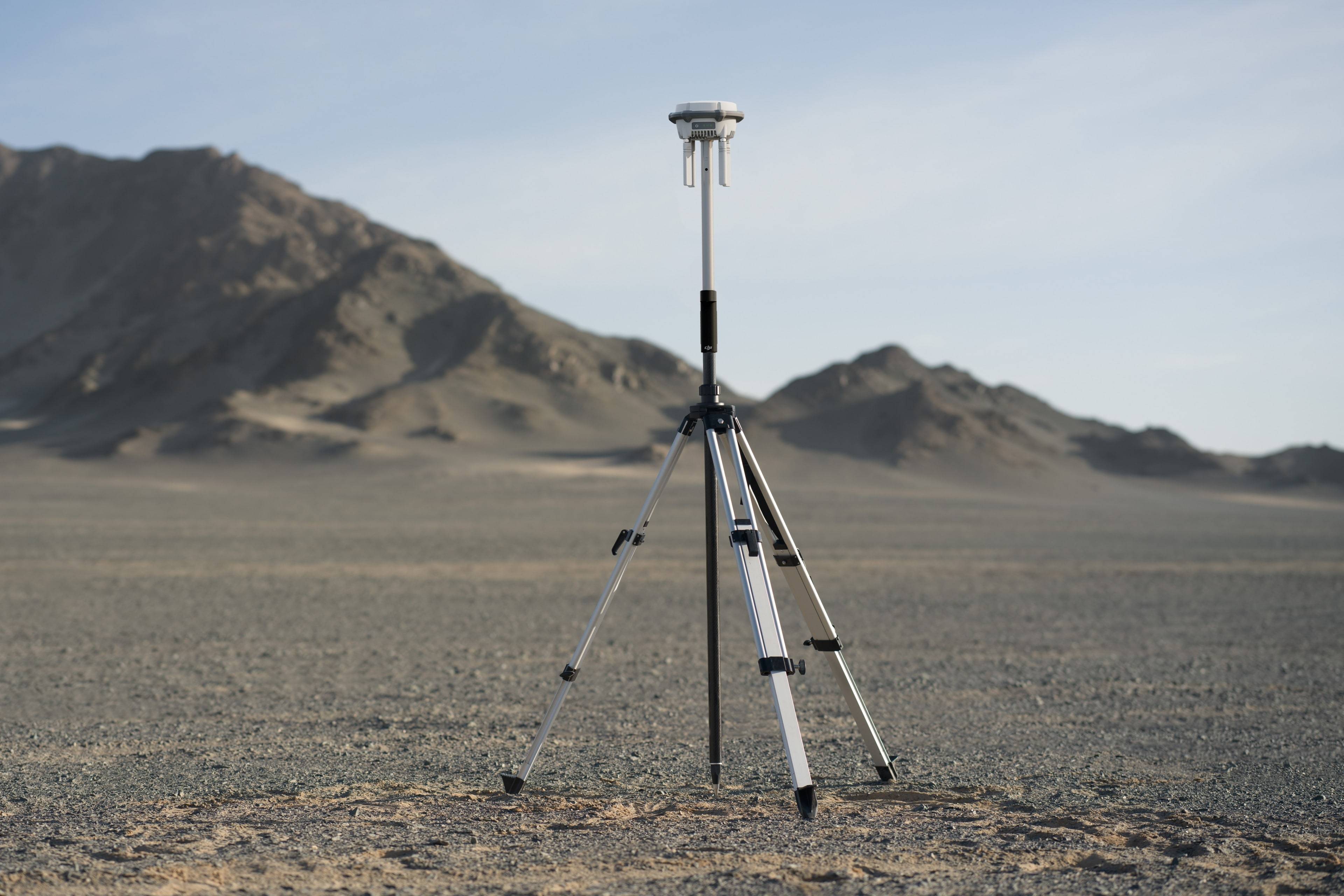
D-RTK 3: Consistent A–B Route Precision
Repeatable flight corridors between ground pad and rooftop pad — every lift, every day, consistent approach path.
Why RTK Matters for Solar Lifting
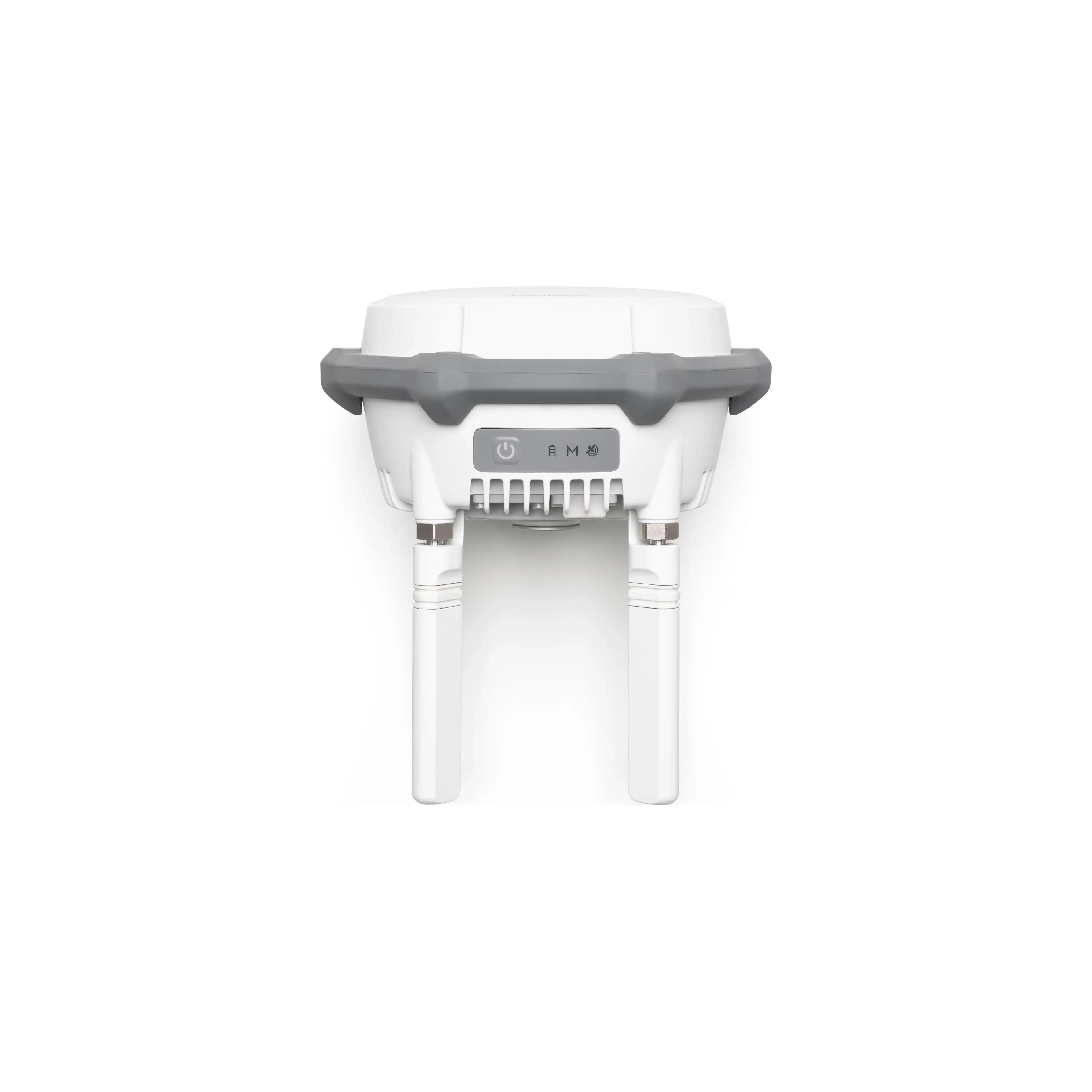
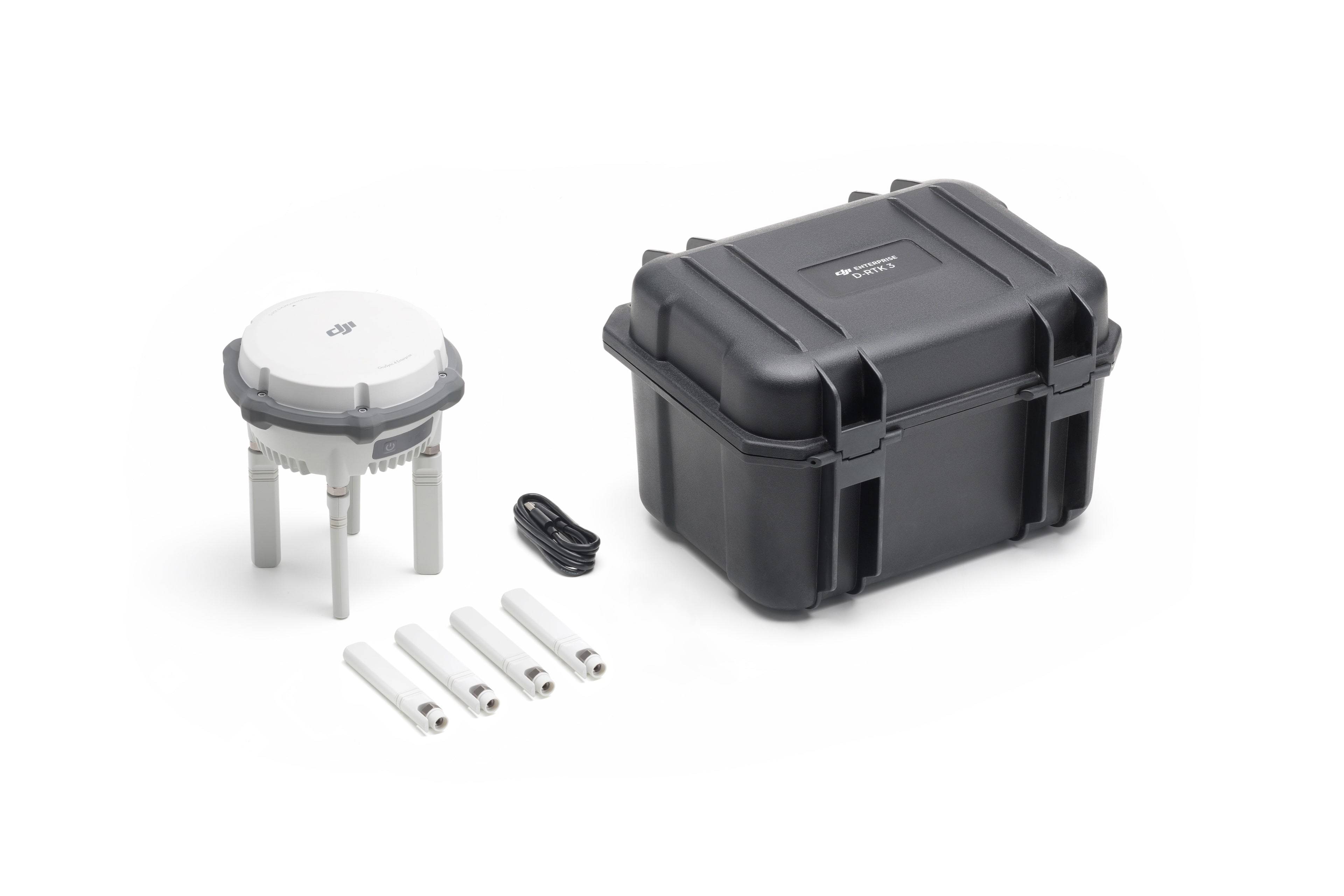
D-RTK 3 AG Specs
Recommended Solar Lifting Kit
A complete setup for rooftop solar panel delivery operations.
| Category | Product | Role | Price (CAD) |
|---|---|---|---|
| Cargo | DJI FlyCart 100 (FC100) | Primary panel lifting platform | $16,617.00 |
| Lifting | FC100 Dual-Battery Winch System | Controlled lowering to rooftop pad | Contact for pricing |
| Safety | FC100 Parachute Kit | Emergency descent, SORA compliance | $4,520.00 |
| Battery | DB2160 Flight Battery | High-tempo lift cycle power | $4,669.00 |
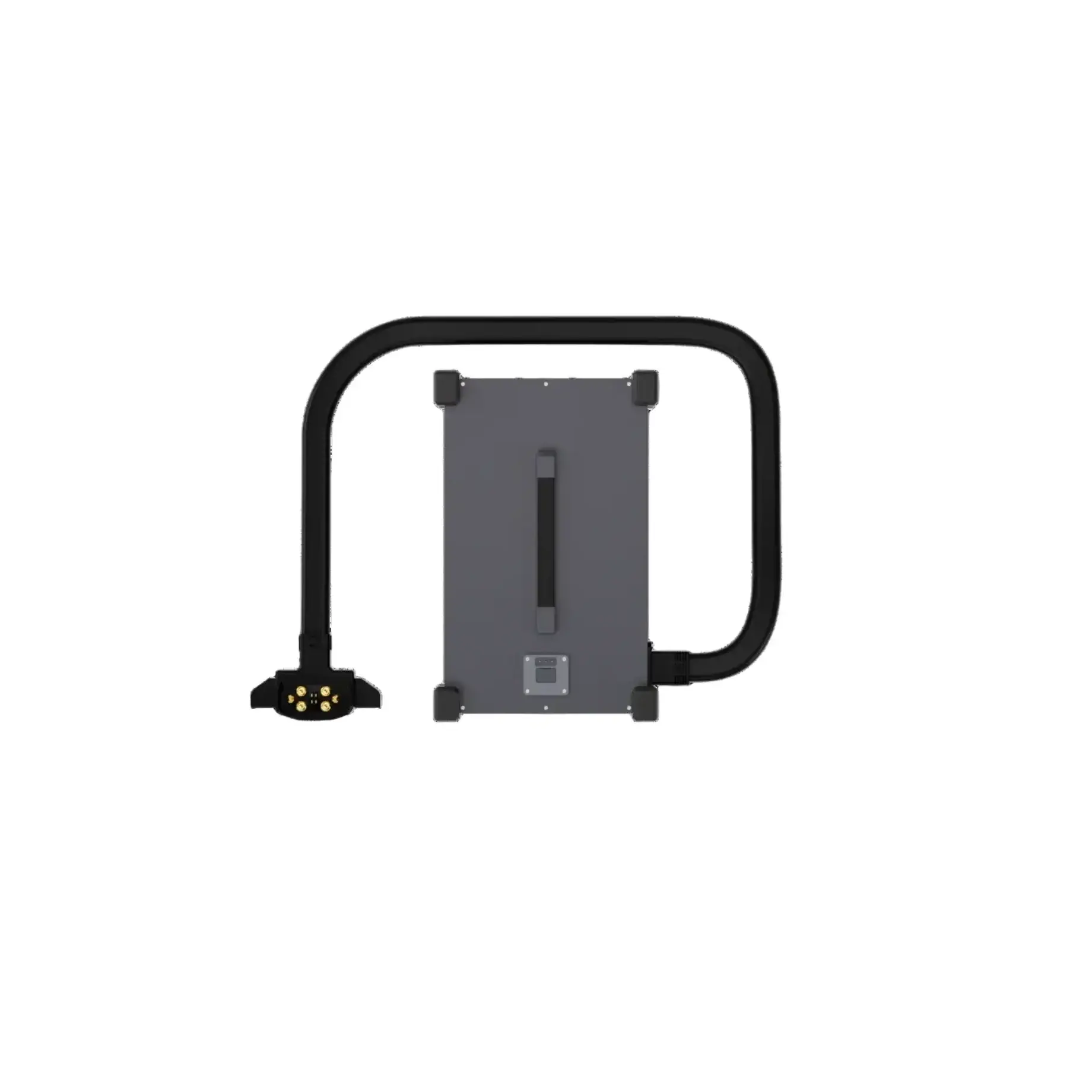
| Charging | C12000 Battery Charger (3-Phase) | 12,000W fast charge between cycles | $2,499.00 |
| Positioning | D-RTK 3 AG Module | Consistent A–B route precision | $2,621.00 |
Frequently Asked Questions
How many solar panels can FlyCart 100 lift per day?
With an optimized 3-station workflow, SkyFlow targets around 460 panels/day (230 two-panel lifts). A conservative baseline for constrained sites is 200 panels/day (100 lifts).
What's the maximum payload for rooftop panel lifting?
FC100 supports up to 100 kg in single-battery mode and 85 kg in dual-battery mode. Two standard crystalline silicon panels (~45 kg each) fit within the dual-battery envelope at ~90 kg total.
Why not use Agras T100 with a lifting module instead?
Payload numbers overlap, but the design intent differs. FC100 has delivery-oriented mission software (DJI Delivery App), AR route markers, a 30 m winch (vs 10 m on T100), and an integrated parachute — all designed for repetitive drops into tight pads near buildings.
Is the parachute required for rooftop operations in Canada?
Not universally required, but strongly recommended. Under Transport Canada's SORA-based framework and Standard 922, a parachute reduces your Ground Risk Class, potentially qualifying operations for lower SAIL levels when flying near people and buildings.
How does the winch Auto Balance Control work?
FC100's winch system includes Auto Balance Control that dampens load swing during acceleration, deceleration, and lowering. This reduces risk of contact with parapets and rooftop hardware, speeds up cycle times, and gives ground crews more confidence.
What training does my team need?
In Canada, commercial cargo drone operations require a pilot certificate and compliance with Canadian Aviation Regulations. Beyond that, SkyFlow provides scenario-based training covering FC100 delivery workflows, winch operation, crew coordination, and emergency procedures.
Sources & References
Ready to Build Your Solar Lifting Program?
Talk to a SkyFlow cargo drone specialist. We will help you scope your site, model throughput targets, and build a training pathway so your operations scale safely and predictably.